
Research Updates

Here at Bigger Better Brains we believe that through educating yourself, you can then educate and affect positive change in your community.
With all of the research in the field of neuromusical science, our BBB Research section serves as a content hub for you. We regularly share findings and break down the latest research to educate and inspire discussion. We hope you enjoy this page on our website and share BBB news with your colleagues, parents and students.

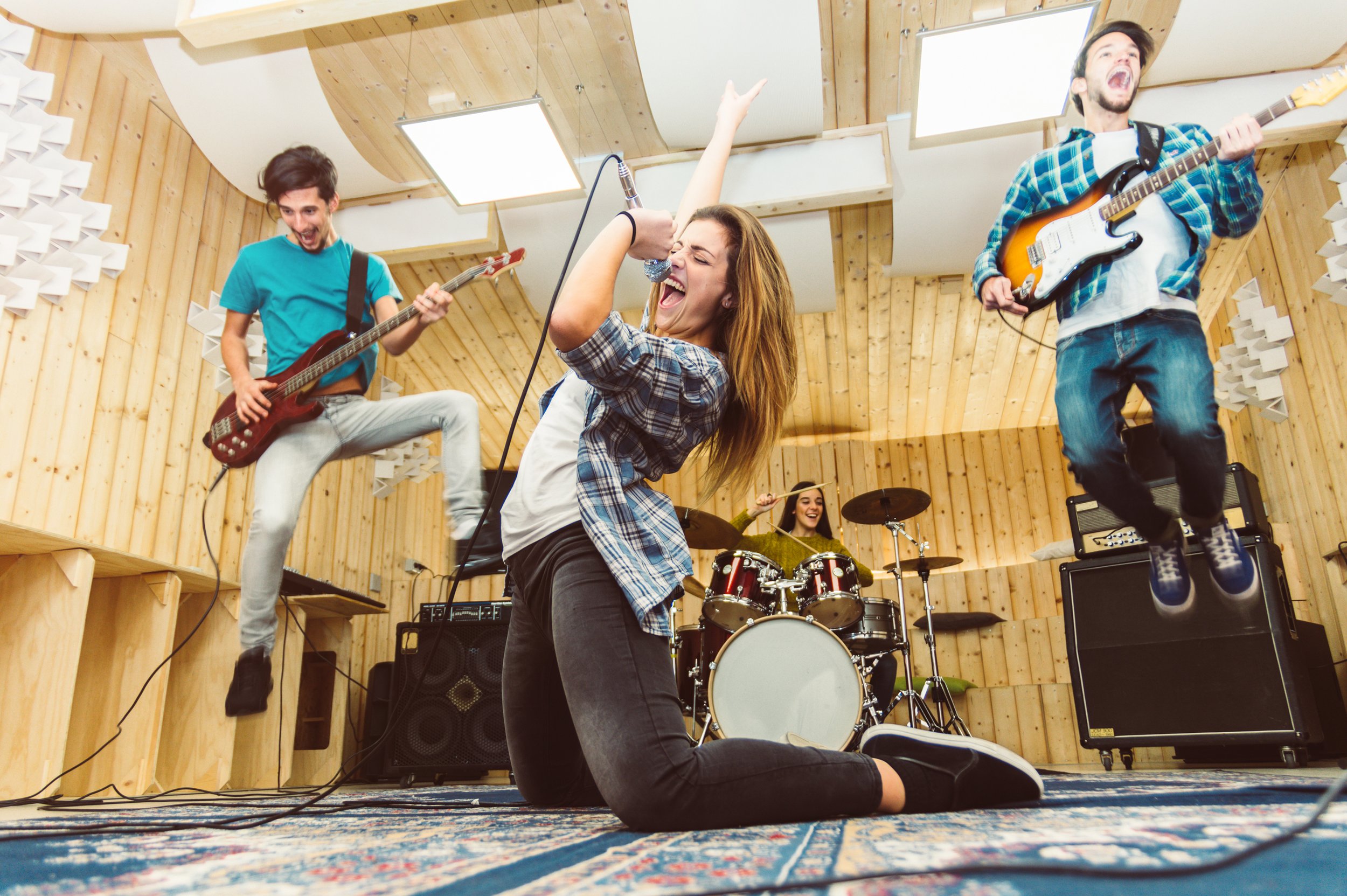
Can Harmony Help Students Connect?
Can harmony do more than shape sound, can it shape connection? New research suggests predictable harmony may help align not just music, but people.

Is recorded music just as good as live music?
Research suggests it’s not that simple. Live music creates stronger emotional and brain responses, especially when there’s real-time interaction between performer and listener. If that’s the case, it raises an important question, how often are students actively involved in shaping music in the moment in your classroom?

Depressed? Classical music could be the unexpected remedy!
Music has always been a go-to for lifting our spirits, but did you know classical music might take it a step further by actually helping treat depression?

The surprising link between music and cognitive health in older adults
Can music play a role in healthy aging? According to new research, the answer might be yes.

Can Music Sync Our Heartbeats? This Study Says Yes!
Imagine sitting in a concert hall, completely immersed in the music, when something incredible happens—you and the people around you begin to breathe and feel the same rhythm.
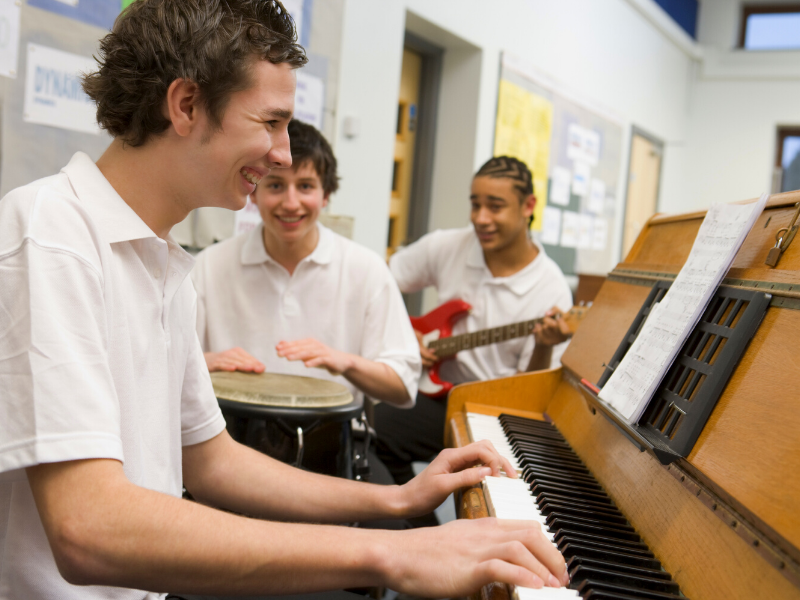
Challenge your brain with different music!
This study looks at how our brains engaged with familiar and unfamiliar music. Turns out our brains sustains engagement with music that is unfamiliar.

Listening to music we prefer gets us more connected to ourselves
Why do we prefer different types of music? Why isn’t there just one type of music that everyone likes? The answer may be that we only get connected with our true selves, the part of our brain that is full of our thoughts, through music that we choose for ourselves.

How listening to music can have psychological benefits during lockdown
This article gives us an excellent summary of the ways that music listening can have physiological benefits, and it is a great reminder of the ways we can use music to improve our wellbeing.

Listening to music while exercising activates specific brain region
Have you been listening to music as you get your daily exercise in during COVID-19? Have you found yourself changing your music choices during this troubling time, maybe to lighten your mood or help you focus more on your exercise and less on these uncertain times?

Listening to self-selected happy music can provide mood-repair and a sense of connection
Researchers have wondered if “listening to comforting music, as a response to a social loss experience, provides a sense of empathic company as indicated by reduced loneliness and heightened empathy.”

Music synchronises our brain!
There is a theory called the theory of familiarity in music. It is, as described at the end of this article, the idea of an inverted U.
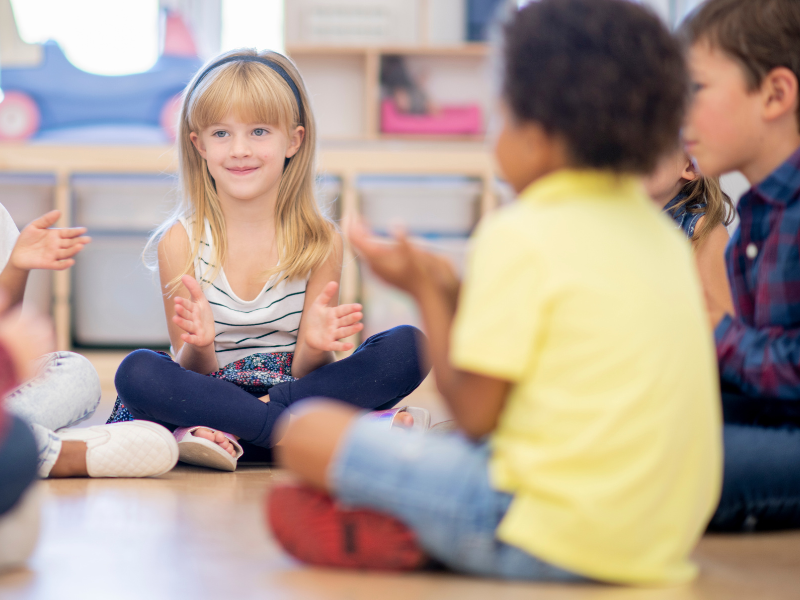
What is working memory and how might music learning help?
This article is a great explanation of working memory and the different ways it is affected by disorders such as dyslexia, auditory processing disorder and ADHD.



Make the skills your students build through music visible
A simple, low-stakes app and teacher toolkit that helps students notice, record and celebrate six learning habits that grow through music, from focus to self-management.
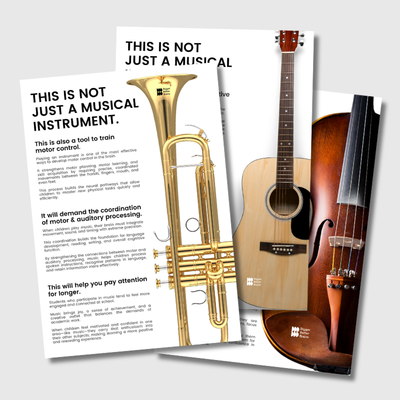
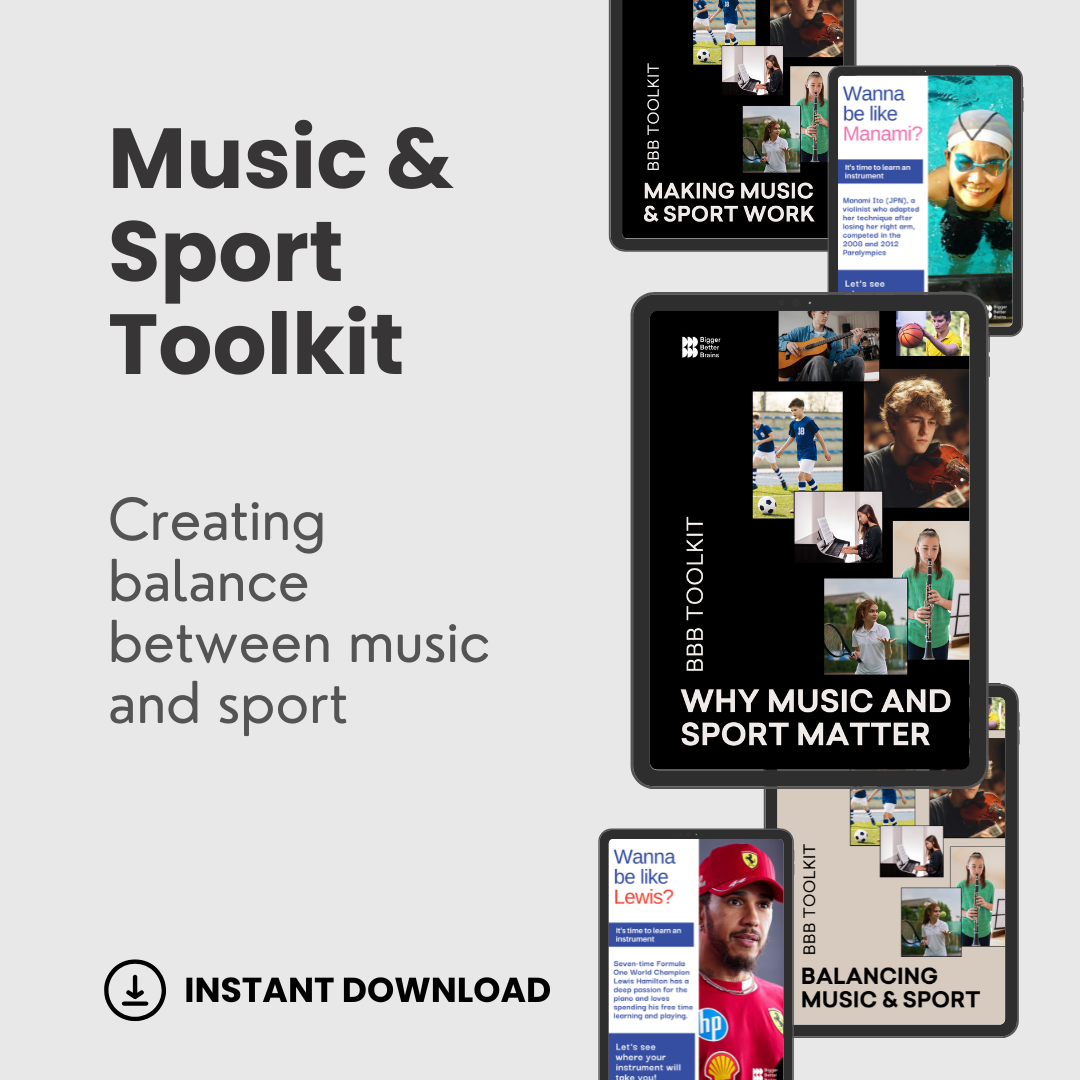
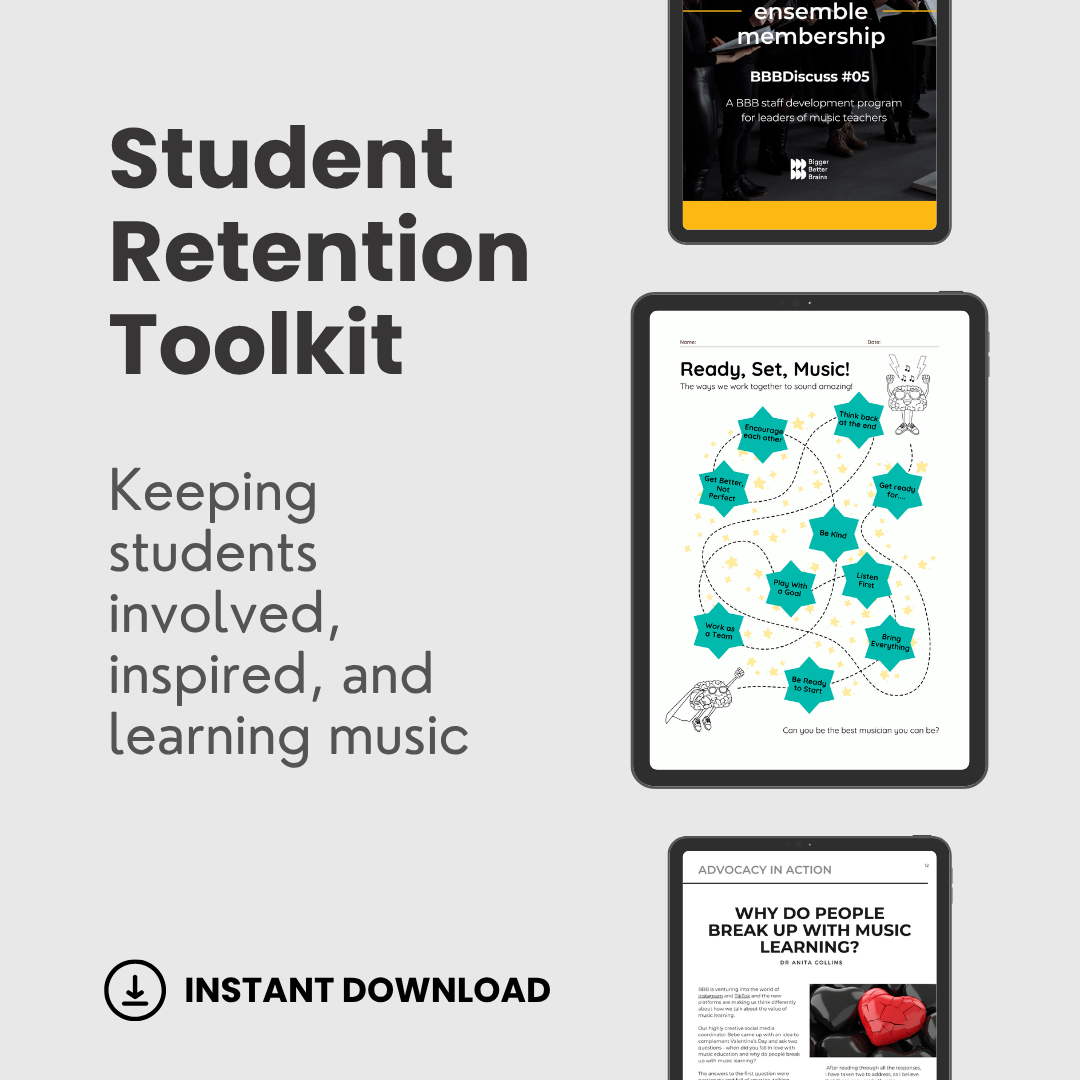
Music builds far more than musicians. Every time students practise, they develop focus, persistence, adaptability, collaboration, confidence and self-management, skills that serve them well beyond the music room. The Music Learning Passport helps students notice, record and celebrate that growth, and gives you a simple way to capture it. Students work through six passport stamps in the app, reflect on the habits they are building, and email their finished learner profile to you and their parents.
WHAT YOU GET
Access to the Music Learning Passport app: a link and password to share with your students, who track their progress on any device
A teacher how-to guide with everything you need to set it up and run it with your class
Six printable habit pages, one for each habit, each with a clear explanation, how music develops it, what it looks like in practice, and a reflection prompt
A shareable learner profile: once students collect all six stamps, they choose their strongest skills and email a finished profile to you and their parents
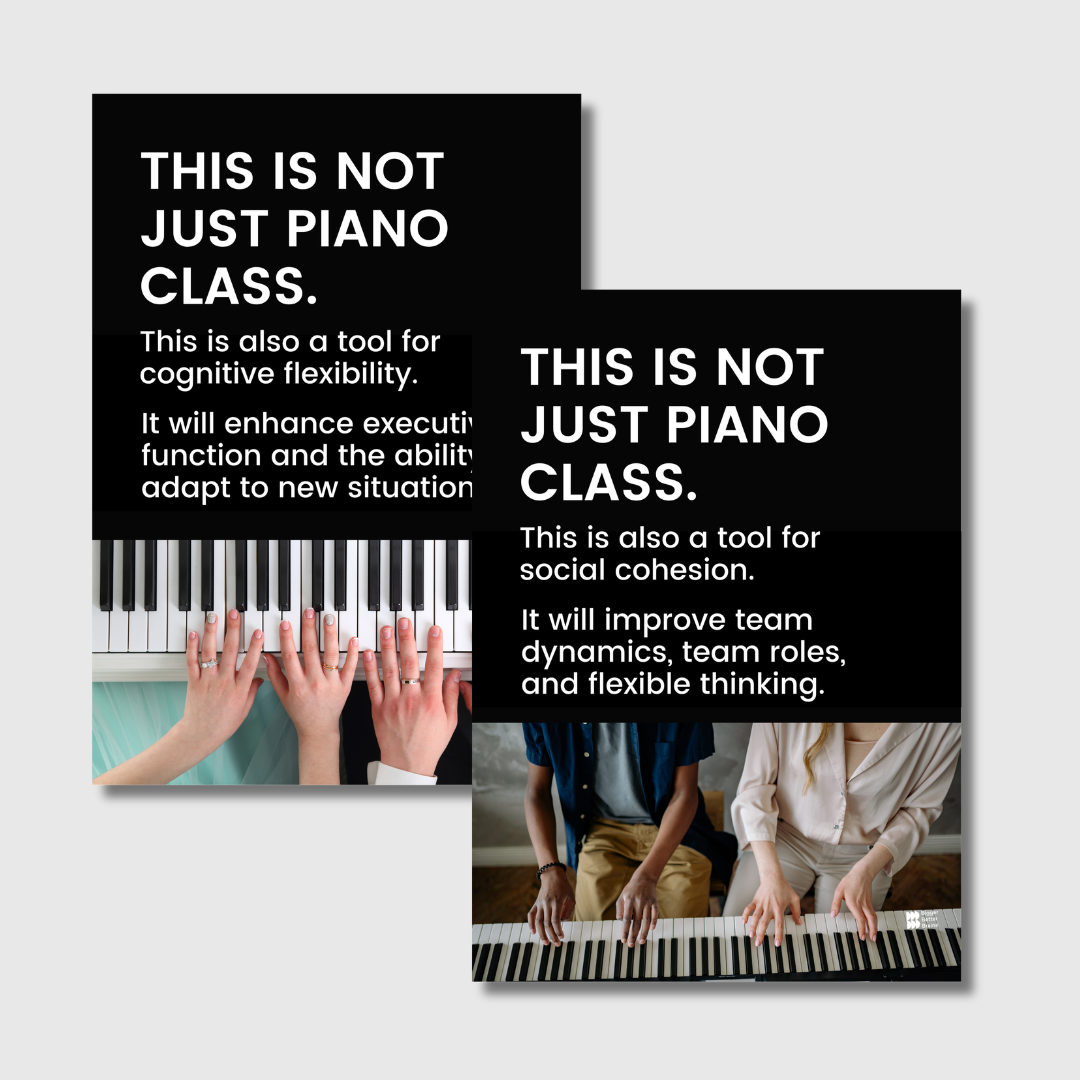
Six Habits of Music Learning posters to display in your classroom, reinforcing each learning habit throughout the year
WHAT IT HELPS YOU DO
Make the skills students build through music visible to them, to you and to parents
Support reflection, goal-setting and student-teacher check-ins
Provide a light-touch piece of evidence for assessment
Help students who are struggling to see their own progress
Strengthen the case for music by showing the wider skills it develops
HOW TO USE IT
Share the app link and password with your students, then use the passport as a quick end-of-term reflection, a goal-setting activity for a new term, a student-teacher check-in, or a support tool for students who need it. Students can complete it independently, in class or through guided discussion, and email their finished profile to you when they are done. Use the printable habit pages to introduce each stamp or spark class discussion.
WHY IT WORKS
When students can see the habits they are building, music learning becomes about more than performance. It becomes visible proof of the focus, persistence and self-management they are developing, skills they carry into every part of their lives. As one student profile puts it, music is not only about what you can perform, it is shaping the learner you are becoming.
"This app was a lifesaver on a day I couldn’t be in class and I didn’t want to set just another worksheet to complete. This experience was deeply beneficial for the students and has sparked many many conversations.” Holly, Middle School Music Teacher
COMMON QUESTIONS
What is the passport? A student app plus a teacher toolkit for tracking six learning habits that grow through music.
How do students access it? You share a link and password. Students can complete it on any device.
Will their progress save? Yes, progress saves on the device they use, so students should return to the same device and browser each time.
Do I need to mark anything? No. Students reflect and email their finished profile to you. It is designed to be low stakes and low effort.
How can I use it? End-of-term reflection, goal-setting, check-ins, assessment evidence or support for students who need it.
Add to cart NOW. Help your students see how far their music learning has taken them.
LOVE THIS TOOLKIT? GET A BRAND-NEW ONE EVERY MONTH
This toolkit is $50 on its own. BBB+ Premium Toolkit and Premium Annual members receive a brand-new toolkit straight to their inbox free every month, plus access to over 500 evidence-based resources.
Join as a Premium Toolkit member for $60 a year, just $5 a month, and get a new toolkit every month plus the full resource library. That is less than the cost of two standalone toolkits for a whole year of support.
Want everything BBB+ offers? Premium Annual is 50% off right now.
Become a BBB+ Premium Toolkit member today CLICK HERE
Get 50% off Premium Annual CLICK HERE