

Research Updates

Here at Bigger Better Brains we believe that through educating yourself, you can then educate and affect positive change in your community.
With all of the research in the field of neuromusical science, our BBB Research section serves as a content hub for you. We regularly share findings and break down the latest research to educate and inspire discussion. We hope you enjoy this page on our website and share BBB news with your colleagues, parents and students.

Can playing the flute help you sleep better?
Playing a wind instrument doesn’t just build tone and technique, it may also help regulate stress and improve sleep. New research links steady breath-sound patterns in wind playing to nervous system regulation, offering a powerful way to connect music learning with wellbeing.


Unlocking the Connection Between Music, Memory, and Learning
Recent research from the Georgia Institute of Technology has unveiled compelling insights into how music affects learning, memory, and emotions.

Depressed? Classical music could be the unexpected remedy!
Music has always been a go-to for lifting our spirits, but did you know classical music might take it a step further by actually helping treat depression?

Singing Together: How choirs boost brain health and emotional well-being
Singing in a community choir is more than just a musical activity—it's a powerful therapeutic experience

Could 'musical medicine' influence healthy aging?
Imagine a world where music serves as a powerful tool for healthy aging. Dr. Psyche Loui at Northeastern University explores how music strengthens brain connections, enhancing memory and emotions.

What happens to your brain when you sing?
Professor Sarah Wilson explains how singing is a form of natural therapy in this video by ABC Classic. She highlights the effect that singing has on motor networks, listening networks, planning and organisational networks, memory, language, and emotional networks. Essentially, singing is a full workout for the brain!

Music as Pain Relief
Recent research suggests that music, especially preferred tunes, can serve as potent painkillers. A study conducted by Darius Valevicius from McGill University found that participants listening to their favourite tracks experienced significantly reduced pain intensity and unpleasantness compared to silence or scrambled sound.

The Cognitive Symphony of the Brisbane City Pops Orchestra
This article dives into the history and enduring vitality of the Brisbane City Pops Orchestra who have recently celebrated their milestone 50th-anniversary performance. The orchestra boasts a diverse ensemble of musicians spanning generations, including members who have been involved since the beginning.

Heavy metal has some heavy mental health benefits
Researchers have tried to determine if certain genres of music are “better” than others for developing these vital life skills. This article highlights recent research into a genre you might not expect to have such positive impacts.

Brains work in sync during music therapy
Imagine a music therapist and their patient wearing EEG caps. Imagine them working together and coming to a moment when the therapy was “working”. Imagine seeing the EEG signal suddenly change for the patient, and then seeing the same change in the therapist just afterwards.

Music benefits both mental and physical health
We know that music listening and playing can change our mood. Sometimes it cheers us up, sometimes it makes it safe to feel sombre emotions, but did you ever wonder why? Now we know.


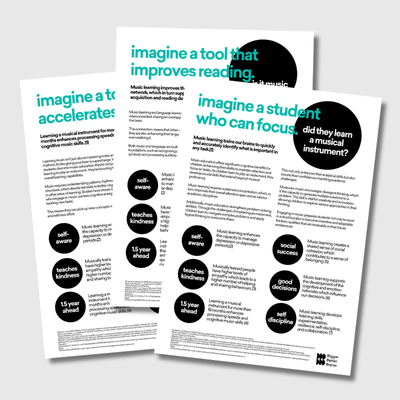
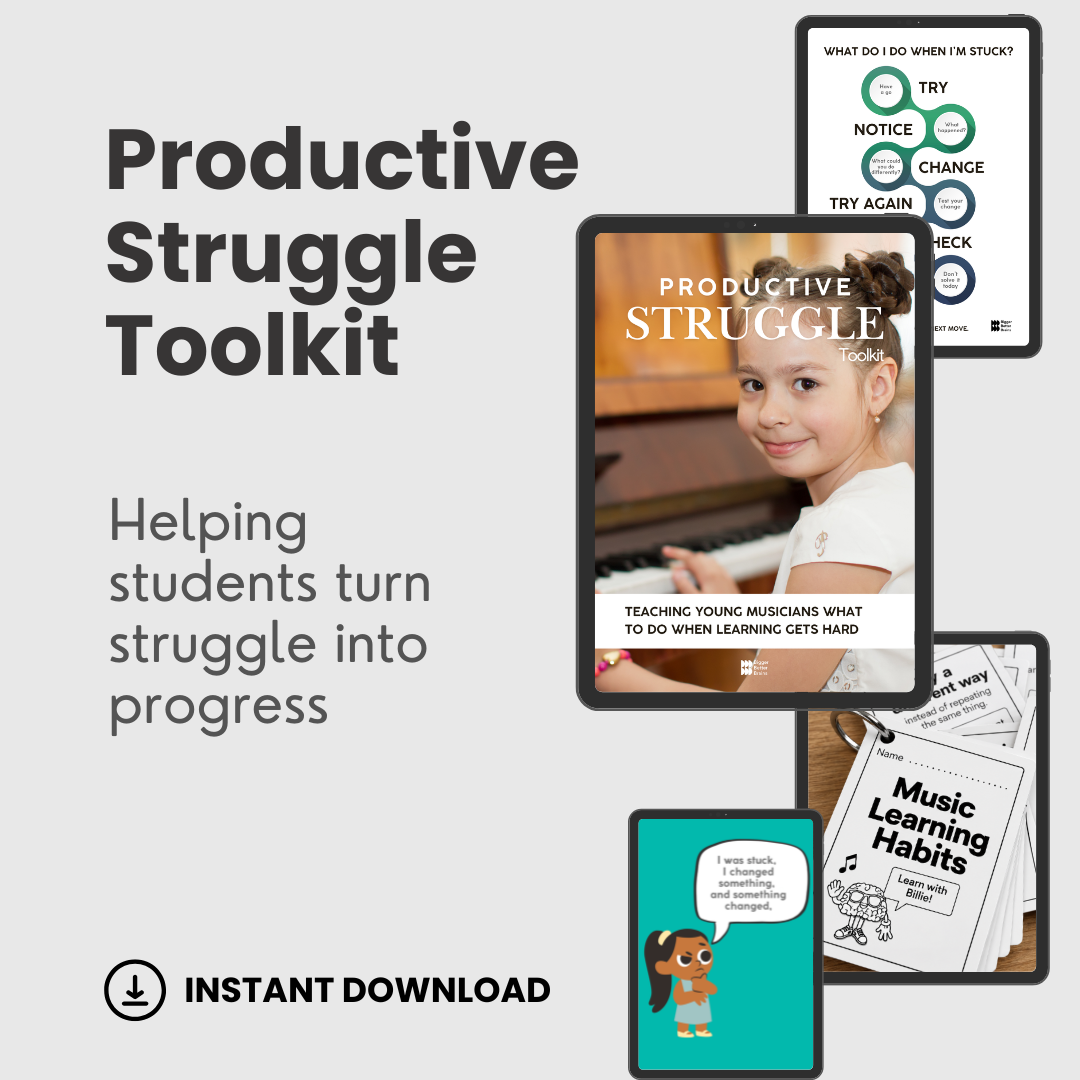
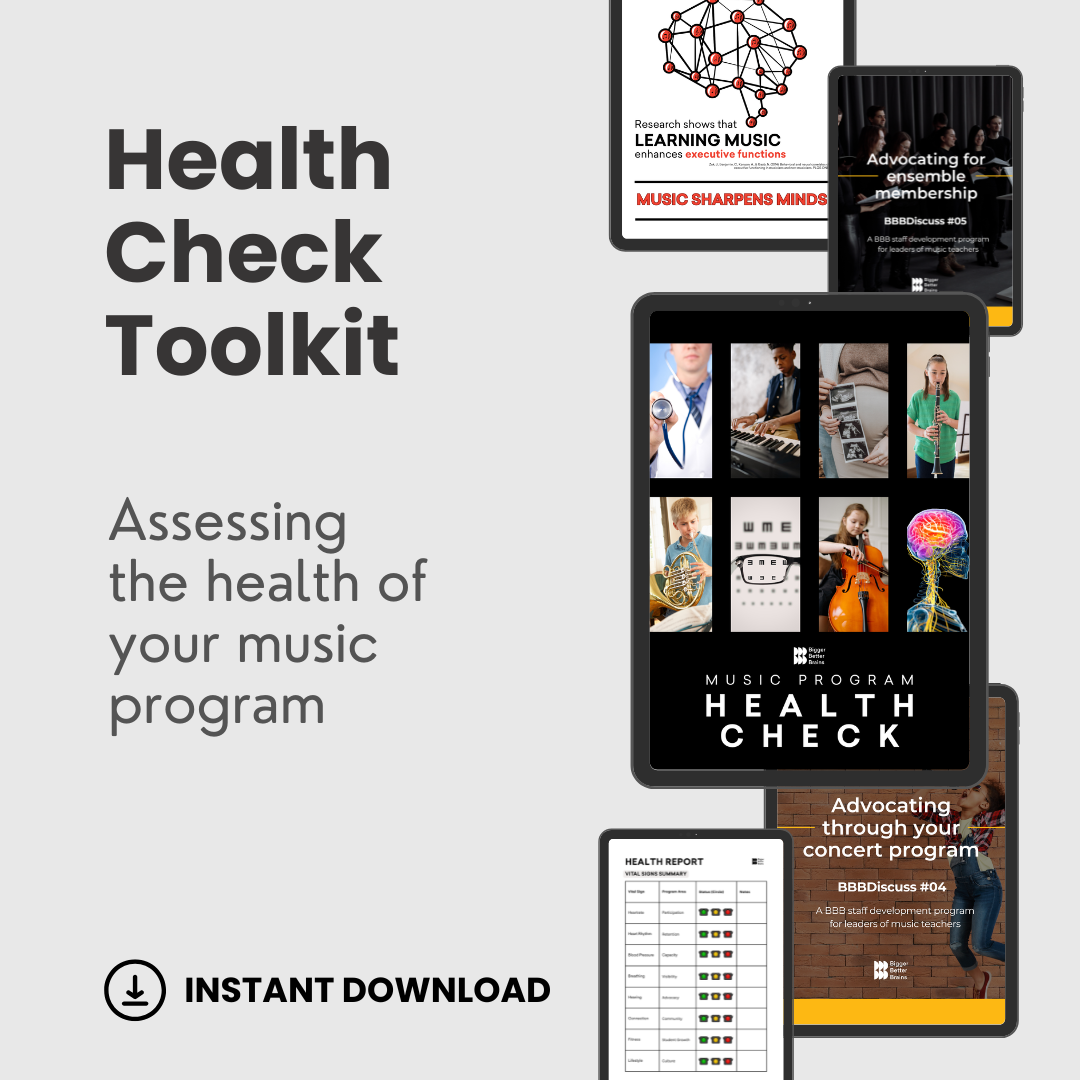
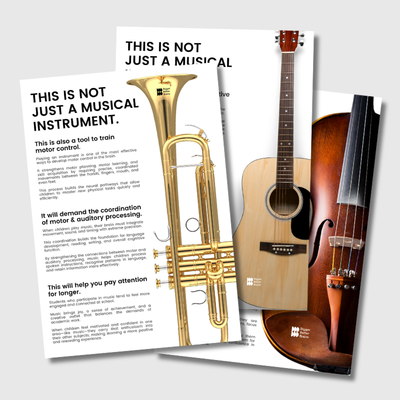

The evidence behind everything you teach, in one book
From Dr Anita Collins, music educator and creator of the TED-Ed video watched 17+ million times, translating the world's neuroscience research into the case for music education and the strategies to bring it into your teaching.
You already know music changes your students. The Music Advantage gives you the research that proves it. Because Anita explains the science through real-life stories, it reads like a good conversation rather than a textbook. Use it to advocate for your program, win over parents and leadership, and sharpen what you do in the classroom.
WHAT YOU GET
The complete book, 260 pages
Easy to read: the neuroscience explained through real classroom and family stories
Practical strategies you can apply across any age you teach, from birth to the teenage years
CHOOSE YOUR EDITION
Global edition: for readers outside the US
US edition: US terminology and examples
Signed copy: personally signed by Dr Anita Collins [while stocks last]
HOW TEACHERS USE IT
Advocacy: make the evidence-based case to school leadership for funding and keeping your program
Parent conversations: answer "is it really worth it?" with authority at enrolment and parent nights
In the classroom: practical strategies, from clapping to help a struggling reader, to ensemble play for concentration and social skills
Professional development: deepen your grasp of the "why" behind your teaching, or read it as a department
WHY IT WORKS
Written by Dr Anita Collins and grounded in research from leading neuromusical scientists worldwide, so when you make the case for music you are standing on the science, not opinion. And the real-life stories mean you will actually enjoy reading it.
"This book is my bible. I have so many highlights and pages flagged that I can use with parents and for quotes in emails." Kirsten, Music Teacher.
COMMON QUESTIONS
Which edition should I choose? Global for outside the US, US edition for US spelling and examples.
Is it a hard read? Not at all. Anita uses real-life stories to make the science clear and enjoyable.
What ages does it cover? Birth to the 18 years, useful whatever level you teach.
Add to cart NOW. Put the evidence for music behind your program today.
KEEP THE ADVOCACY GOING
BBB+ gives music teachers everything they need to make the case for music all year round:
A new advocacy toolkit every month
A library of 500+ tools and resources
Exclusive student exercises and advocacy materials
Member discounts
See what members get HERE