

Research Updates

Here at Bigger Better Brains we believe that through educating yourself, you can then educate and affect positive change in your community.
With all of the research in the field of neuromusical science, our BBB Research section serves as a content hub for you. We regularly share findings and break down the latest research to educate and inspire discussion. We hope you enjoy this page on our website and share BBB news with your colleagues, parents and students.

The Brain Behind the Beat: What Musical Anhedonia Teaches Us
Some students don’t light up when the music soars—and it’s not about effort or attitude. Neuroscience is uncovering how individual brain wiring can shape emotional responses to music, including a rare condition called specific musical anhedonia. As educators, this challenges us to broaden our lens: what if joy in music doesn’t look the same for everyone?

Prenatal Rhythm: How Fetal Brains Tune into Music
A new study in the Journal of Neuroscience reveals that our brains start processing rhythm as early as 27 weeks into pregnancy.

7 Amazing Reasons to Introduce Music in Early Childhood Education
If you are looking to develop your child’s emotional, social, motor and cognitive skills from early childhood, then try introducing music in early educational programs. Watch this video to learn more!

New neuroscience research upends traditional theories of early language learning in babies
New research challenges traditional theories of infant language acquisition, suggesting that babies primarily learn language through rhythmic rather than phonetic information in their initial months.

Music is the Jackpot!
This video contains excerpts from an ARTSpeaks event held on November 8, 2021. In this video, neurobiologist Nina Kraus explores the impact that music learning has on young students in the areas of reading skills, sound processing, language abilities, and more.

Little ears are listening: How babies learn to talk before they’re even born
This article is packed with fantastic research from the MARCS Institute in Sydney, Australia. It is vital to study the first developmental steps in all areas of life.

Hospitals are prescribing music therapy for babies
“Research suggests music helps parents bond with babies who have had a harrowing start to life and may benefit the babies’ health and brain development.”

Music learning increases pre-reading skills and vocabulary
The results of this study found that early childhood music training can lead to associated improvements in both musical skills and language skills!

Language is music to a baby’s brain
In this study, they found that 9-month-old babies who had one month of exposure to directed music listening improved not only their auditory processing of music but also their language!
![Singing – the [new] pain management for premature babies](https://images.squarespace-cdn.com/content/v1/64c31ad8c54df33979a8ebe4/c3eca797-6d6a-4d52-a6a8-3087eab8c824/Mum+and+baby.png)
Singing – the [new] pain management for premature babies
“The primary musical features of infant-directed singing are ideal for emotional coordination and sharing between parent and infant without the risk of over-stimulation.”

Musical play is a must for preschoolers
What is musical play? Is it bashing on an upturned drum in the playground or banging pots and pans on the kitchen floor? Well, it can be both.

Music learning enhances executive function in preschoolers
After 12 weeks of 35 minutes of active music learning every day, randomly chosen preschoolers in the experiment group had higher scores on all of these executive function measures.


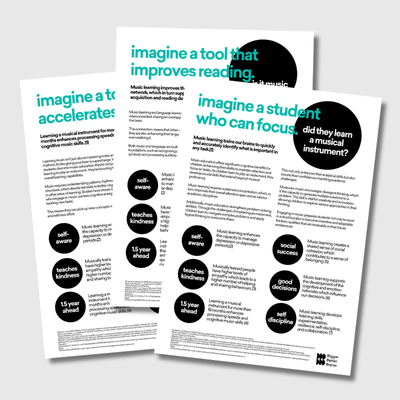
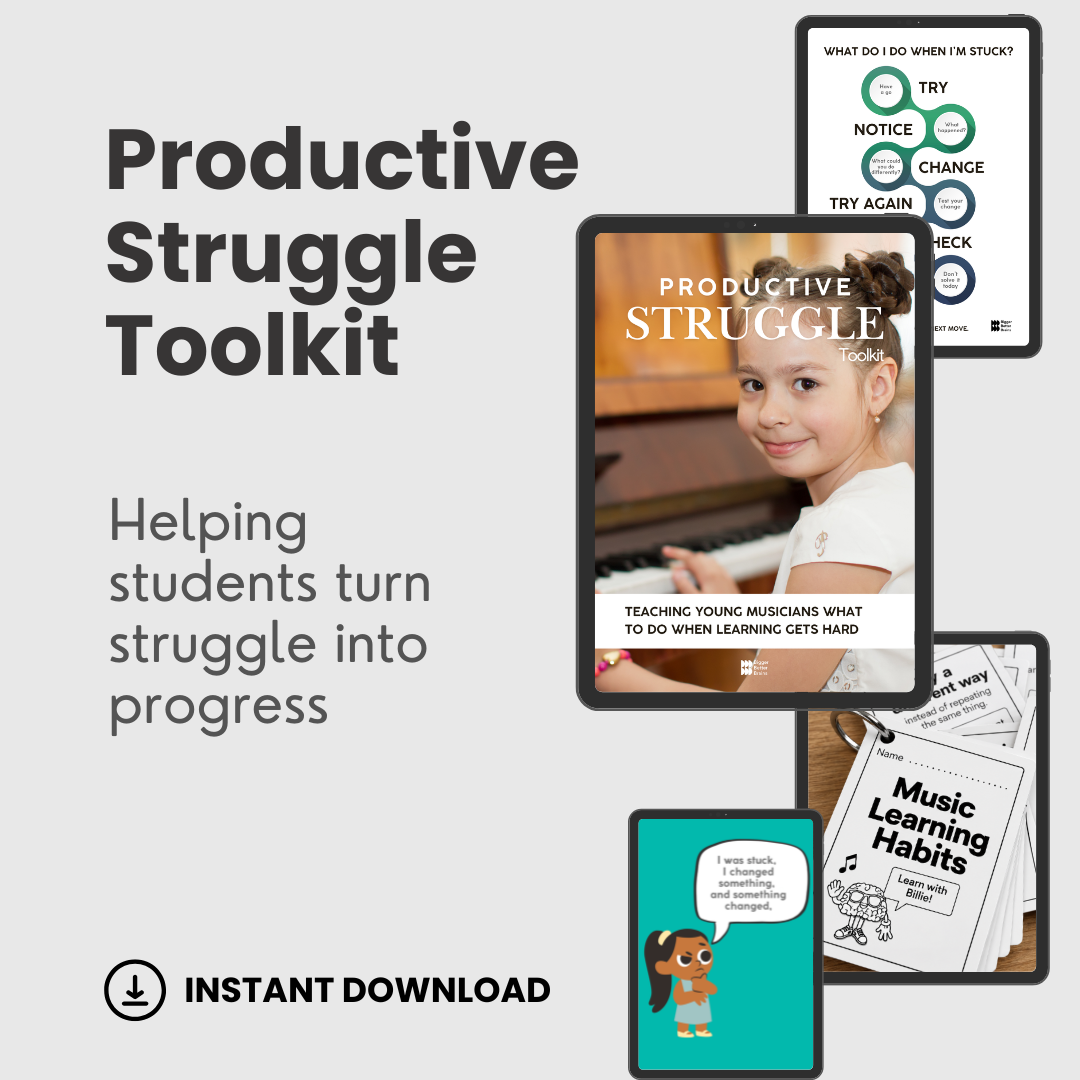
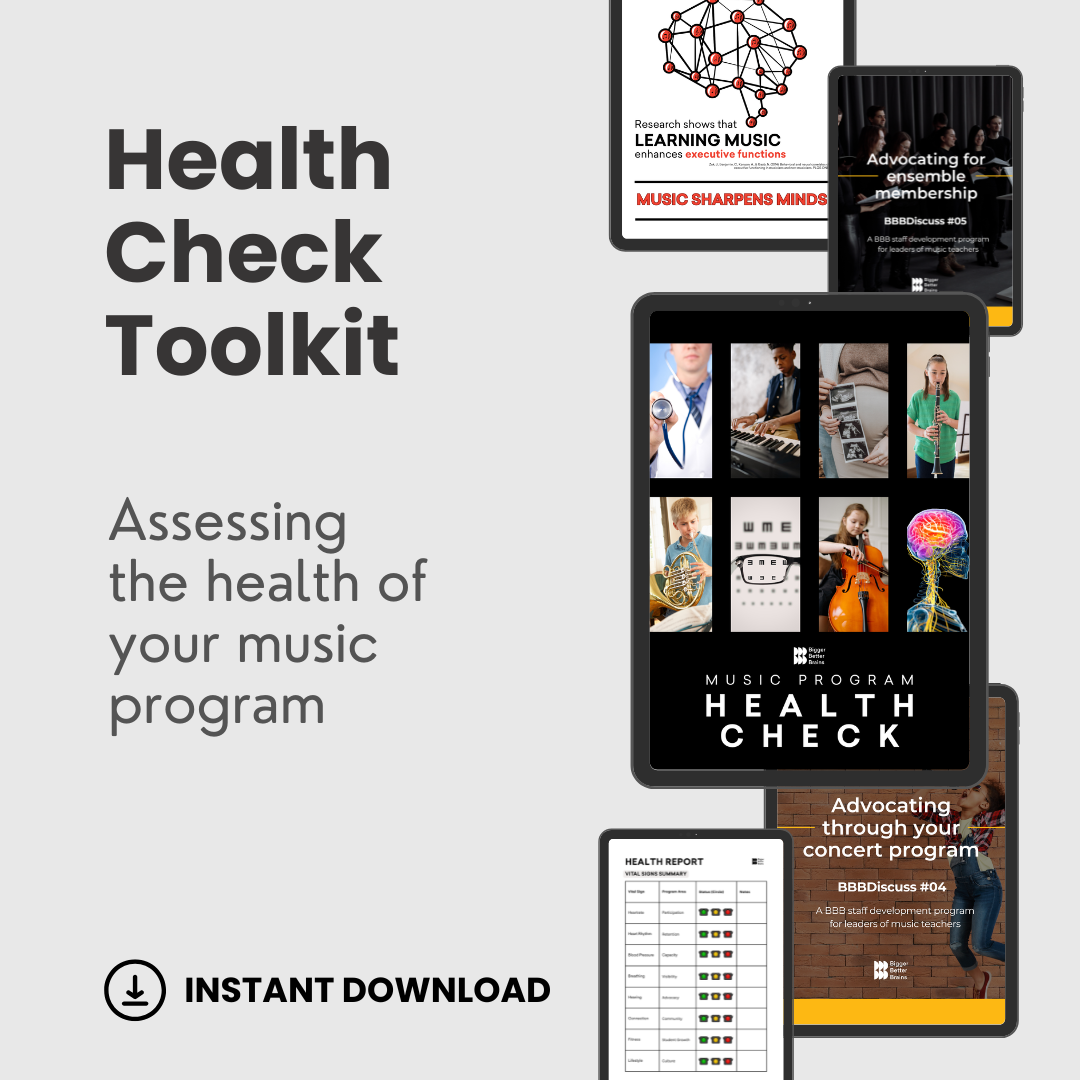
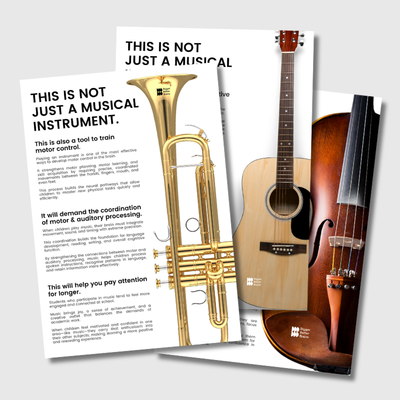

The evidence behind everything you teach, in one book
From Dr Anita Collins, music educator and creator of the TED-Ed video watched 17+ million times, translating the world's neuroscience research into the case for music education and the strategies to bring it into your teaching.
You already know music changes your students. The Music Advantage gives you the research that proves it. Because Anita explains the science through real-life stories, it reads like a good conversation rather than a textbook. Use it to advocate for your program, win over parents and leadership, and sharpen what you do in the classroom.
WHAT YOU GET
The complete book, 260 pages
Easy to read: the neuroscience explained through real classroom and family stories
Practical strategies you can apply across any age you teach, from birth to the teenage years
CHOOSE YOUR EDITION
Global edition: for readers outside the US
US edition: US terminology and examples
Signed copy: personally signed by Dr Anita Collins [while stocks last]
HOW TEACHERS USE IT
Advocacy: make the evidence-based case to school leadership for funding and keeping your program
Parent conversations: answer "is it really worth it?" with authority at enrolment and parent nights
In the classroom: practical strategies, from clapping to help a struggling reader, to ensemble play for concentration and social skills
Professional development: deepen your grasp of the "why" behind your teaching, or read it as a department
WHY IT WORKS
Written by Dr Anita Collins and grounded in research from leading neuromusical scientists worldwide, so when you make the case for music you are standing on the science, not opinion. And the real-life stories mean you will actually enjoy reading it.
"This book is my bible. I have so many highlights and pages flagged that I can use with parents and for quotes in emails." Kirsten, Music Teacher.
COMMON QUESTIONS
Which edition should I choose? Global for outside the US, US edition for US spelling and examples.
Is it a hard read? Not at all. Anita uses real-life stories to make the science clear and enjoyable.
What ages does it cover? Birth to the 18 years, useful whatever level you teach.
Add to cart NOW. Put the evidence for music behind your program today.
KEEP THE ADVOCACY GOING
BBB+ gives music teachers everything they need to make the case for music all year round:
A new advocacy toolkit every month
A library of 500+ tools and resources
Exclusive student exercises and advocacy materials
Member discounts
See what members get HERE