

Research Updates

Here at Bigger Better Brains we believe that through educating yourself, you can then educate and affect positive change in your community.
With all of the research in the field of neuromusical science, our BBB Research section serves as a content hub for you. We regularly share findings and break down the latest research to educate and inspire discussion. We hope you enjoy this page on our website and share BBB news with your colleagues, parents and students.

Playing music when you're older could come with brain benefits
Imagine a world without music. There are no high school marching bands, no commercial jingles, and no need for Grammy Awards. It’s a rather dreary thought, yes?

Music Education vs. Brain Training Programs
Recent research has revealed that brain training programs for children do not lead to significant improvements in real-world cognitive functions.

Could 'musical medicine' influence healthy aging?
Imagine a world where music serves as a powerful tool for healthy aging. Dr. Psyche Loui at Northeastern University explores how music strengthens brain connections, enhancing memory and emotions.

A 90-minute habit that can boost your brain and mental health!
Dr. Seinfeld's research involving participants aged 60 to 85 found that those who took piano lessons showed remarkable improvements in executive functions, attention, and inhibitory control.

Unlocking learning potential through music
Neuroscientist Nina Kraus notes that playing an instrument is one of the richest brain activities, leading to better language and reading skills.
Transformative Vulnerability
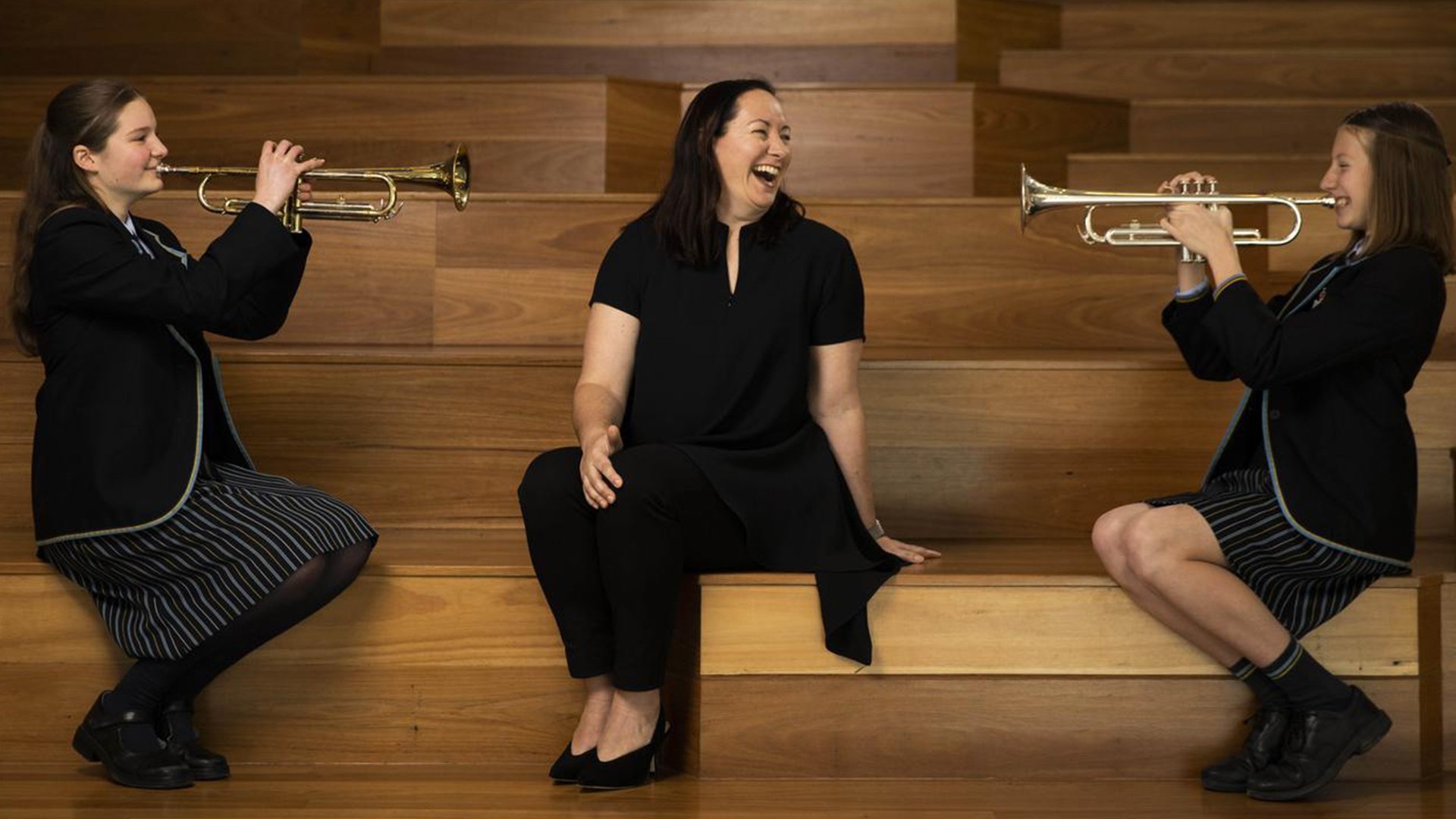
I have been privileged to walk the road with many schools as they transform their school through music learning.

The Power of Repetition
Mastering an instrument or vocal skills hinges on repetition. It's essential for improving memory and musical proficiency.

Music learning is the cheapest diagnostic tool you can find!
Music learning is the most effective way, both in terms of time and impact, to prime the brain for language learning.

Fireworks 007 - Why do people break up with music learning?
Packed with BBB updates and our year in review, a new opinion piece written by Dr Anita Collins, a new community success story, and so much more. Fireworks will inspire and motivate you to advocate for music education.

Fireworks 006 - How do you tell the story of your work?
Packed with BBB updates and our year in review, a new opinion piece written by Dr Anita Collins, a new research reflection, and so much more. Fireworks will inspire and motivate you to advocate for music education.

Music is a neurobiological reward!
The reward network in our brains is one of the most fascinating areas of the brain. It is often the underlying network that propels our behaviour as well as override our good judgement. It is also one of the key networks in learning.

Music synchronises our brain!
There is a theory called the theory of familiarity in music. It is, as described at the end of this article, the idea of an inverted U.


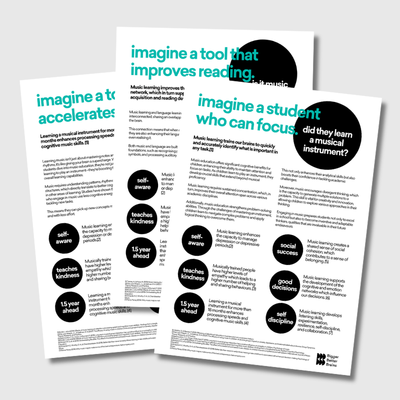

The evidence behind everything you teach, in one book
From Dr Anita Collins, music educator and creator of the TED-Ed video watched 17+ million times, translating the world's neuroscience research into the case for music education and the strategies to bring it into your teaching.
You already know music changes your students. The Music Advantage gives you the research that proves it. Because Anita explains the science through real-life stories, it reads like a good conversation rather than a textbook. Use it to advocate for your program, win over parents and leadership, and sharpen what you do in the classroom.
WHAT YOU GET
The complete book, 260 pages
Easy to read: the neuroscience explained through real classroom and family stories
Practical strategies you can apply across any age you teach, from birth to the teenage years
CHOOSE YOUR EDITION
Global edition: for readers outside the US
US edition: US terminology and examples
Signed copy: personally signed by Dr Anita Collins [while stocks last]
HOW TEACHERS USE IT
Advocacy: make the evidence-based case to school leadership for funding and keeping your program
Parent conversations: answer "is it really worth it?" with authority at enrolment and parent nights
In the classroom: practical strategies, from clapping to help a struggling reader, to ensemble play for concentration and social skills
Professional development: deepen your grasp of the "why" behind your teaching, or read it as a department
WHY IT WORKS
Written by Dr Anita Collins and grounded in research from leading neuromusical scientists worldwide, so when you make the case for music you are standing on the science, not opinion. And the real-life stories mean you will actually enjoy reading it.
"This book is my bible. I have so many highlights and pages flagged that I can use with parents and for quotes in emails." Kirsten, Music Teacher.
COMMON QUESTIONS
Which edition should I choose? Global for outside the US, US edition for US spelling and examples.
Is it a hard read? Not at all. Anita uses real-life stories to make the science clear and enjoyable.
What ages does it cover? Birth to the 18 years, useful whatever level you teach.
Add to cart NOW. Put the evidence for music behind your program today.
KEEP THE ADVOCACY GOING
BBB+ gives music teachers everything they need to make the case for music all year round:
A new advocacy toolkit every month
A library of 500+ tools and resources
Exclusive student exercises and advocacy materials
Member discounts
See what members get HERE