
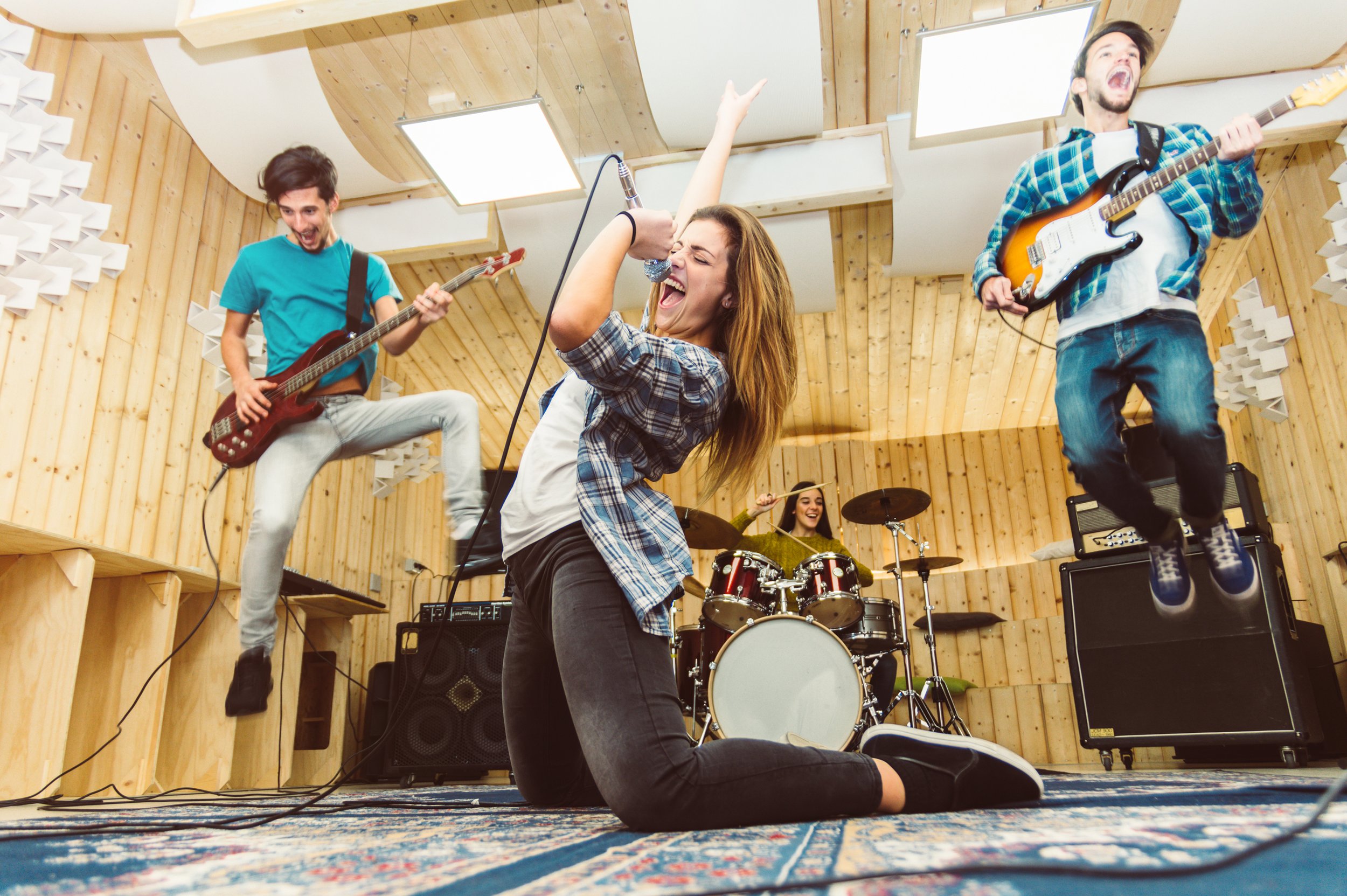
Research Updates

Here at Bigger Better Brains we believe that through educating yourself, you can then educate and affect positive change in your community.
With all of the research in the field of neuromusical science, our BBB Research section serves as a content hub for you. We regularly share findings and break down the latest research to educate and inspire discussion. We hope you enjoy this page on our website and share BBB news with your colleagues, parents and students.

Music is medicine!
Music is medicine and one we can prescribe to ourselves! This fascinating study proposes that we use music for different reasons at different stages of our lives. With this knowledge, therapists and educators could use music in more effective ways.
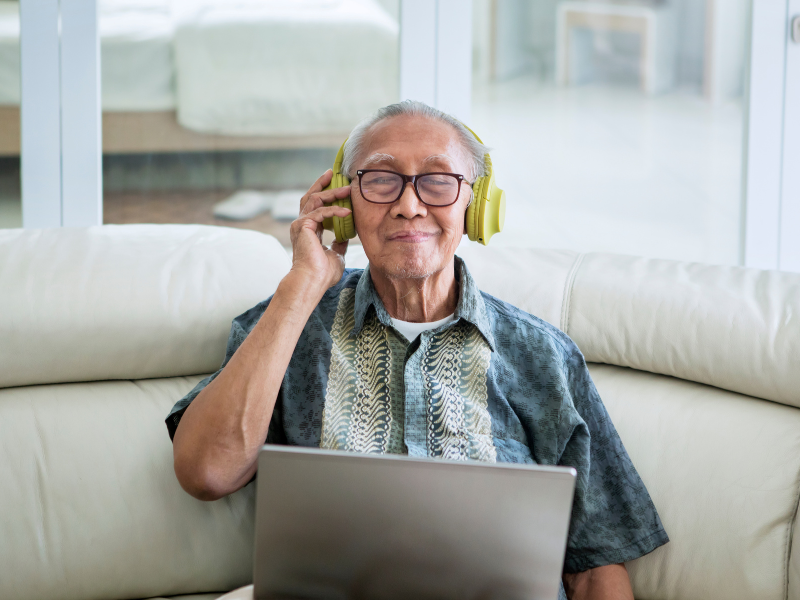
Music is turning back time for older adults
This paper looked at the research that has found that musicians have better speech in noise perception and asked if short-term music training might be beneficial for older adults, even if they didn’t have music training in their background.

Why don’t older people like new music?
This is a fascinating idea – how do we fall in love with music? And as we age, why do we like music less? This article explains the biological concept very well.

Music decreases depression & improves general cognitive function in elderly individuals
What do you get when you put Orff, Jazz and a group of elderly non-musicians together? The answer is, happier people!

Struggling with your hearing? Join a choir!
With hearing loss comes not only the lowering of our ability to hear the nuances in sound and some specific sounds altogether, but it can also lead to a withdrawal from conversations in crowded, noisy spaces and even create a feeling of isolation. What’s the answer? Join a choir! But why?

To put the music on, to not put music on, that is the question?
A lot of the headlines point to the connection between listening to music and lessening productivity. The important detail to notice is which particular type of activity the participants were less productive in..

Music learning improves grades in Maths, English and Science … but why?
An extensive study has been released which found that students who studied music in primary school and into high school were almost one year ahead of their non-musically trained peers in their Maths, Science and English performance.

Does the way we teach music matter to brain development?
Well of course it does! This is a great study, not just because it is about jazz learning and improvisation, but also because it is asking the very important question – is all music learning beneficial for brain development or only some types of music learning.

Music gives children an educational advantage
Music-making and music sharing is such a vital and natural part of children’s play and this study shows that.

A French horn playing economist: how did learning an instrument help him think big?
Arthur (Brooks, leading US economist and social scientist) was once asked whether he’d learned anything as a serious musician that applied to his current work…

Should we be using music to enhance performance in exams?
Listening or playing music is often used by teenagers to assist in their study or to celebrate afterwards. But does it help them perform better in the exam itself?
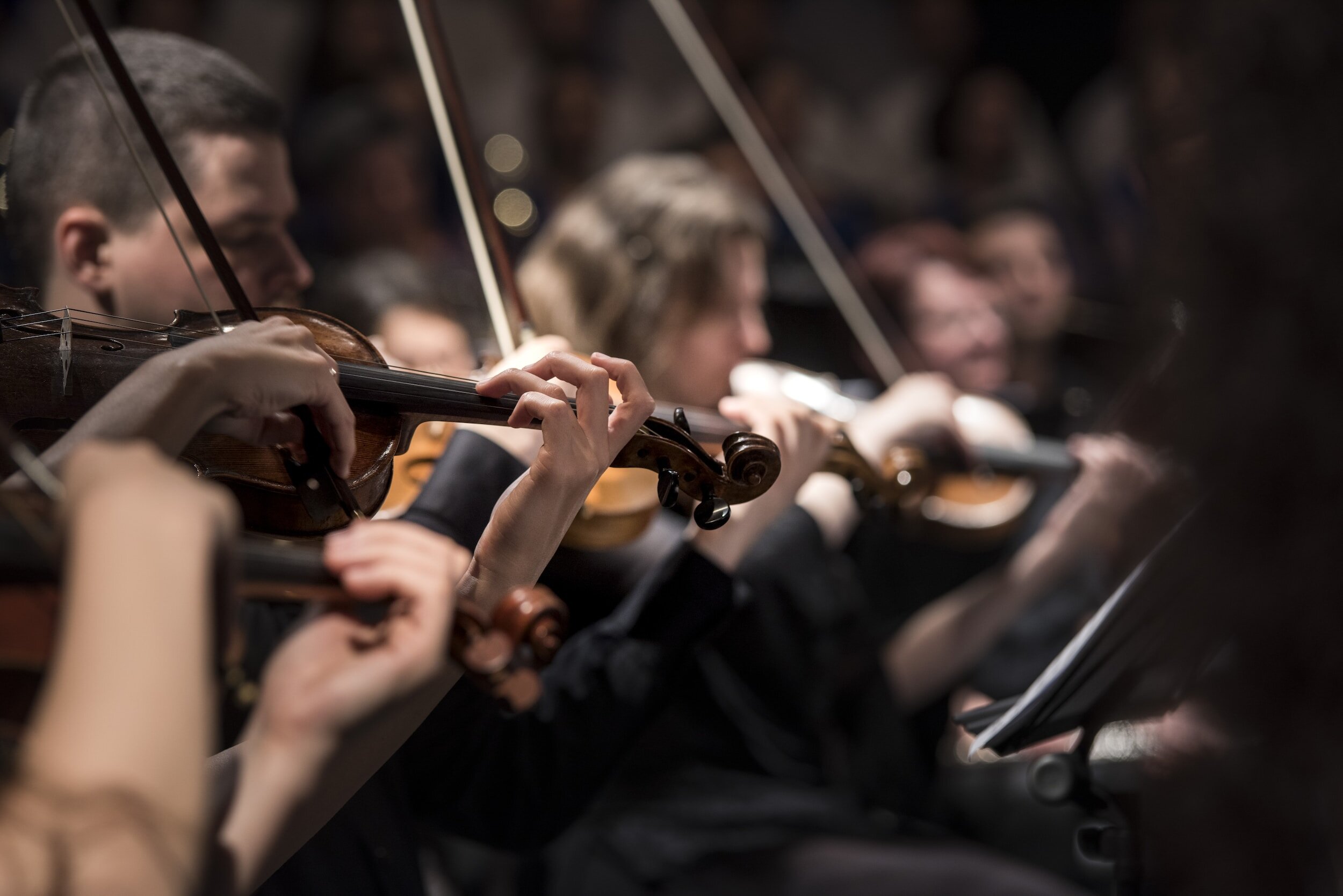
Ageing in harmony: why the third act of life should be musical
When we think of music learning, we often associate it with childhood. After all, we are in a heightened learning zone and we are in an environment where consistency is easier to manage with school most days of the week.

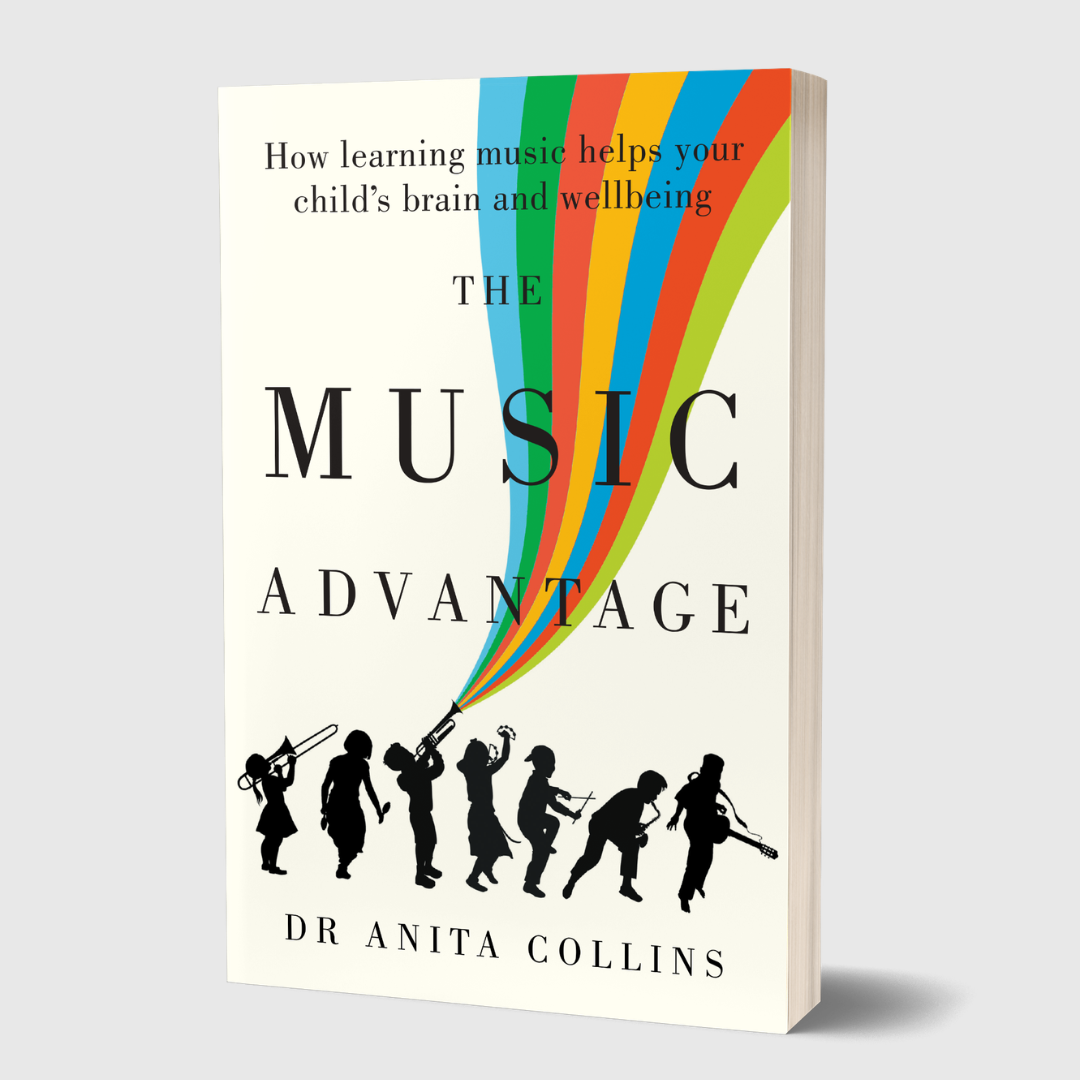



Make the skills your students build through music visible
A simple, low-stakes app and teacher toolkit that helps students notice, record and celebrate six learning habits that grow through music, from focus to self-management.
Music builds far more than musicians. Every time students practise, they develop focus, persistence, adaptability, collaboration, confidence and self-management, skills that serve them well beyond the music room. The Music Learning Passport helps students notice, record and celebrate that growth, and gives you a simple way to capture it. Students work through six passport stamps in the app, reflect on the habits they are building, and email their finished learner profile to you and their parents.
WHAT YOU GET
Access to the Music Learning Passport app: a link and password to share with your students, who track their progress on any device
A teacher how-to guide with everything you need to set it up and run it with your class
Six printable habit pages, one for each habit, each with a clear explanation, how music develops it, what it looks like in practice, and a reflection prompt
A shareable learner profile: once students collect all six stamps, they choose their strongest skills and email a finished profile to you and their parents
Six Habits of Music Learning posters to display in your classroom, reinforcing each learning habit throughout the year
WHAT IT HELPS YOU DO
Make the skills students build through music visible to them, to you and to parents
Support reflection, goal-setting and student-teacher check-ins
Provide a light-touch piece of evidence for assessment
Help students who are struggling to see their own progress
Strengthen the case for music by showing the wider skills it develops
HOW TO USE IT
Share the app link and password with your students, then use the passport as a quick end-of-term reflection, a goal-setting activity for a new term, a student-teacher check-in, or a support tool for students who need it. Students can complete it independently, in class or through guided discussion, and email their finished profile to you when they are done. Use the printable habit pages to introduce each stamp or spark class discussion.
WHY IT WORKS
When students can see the habits they are building, music learning becomes about more than performance. It becomes visible proof of the focus, persistence and self-management they are developing, skills they carry into every part of their lives. As one student profile puts it, music is not only about what you can perform, it is shaping the learner you are becoming.
"This app was a lifesaver on a day I couldn’t be in class and I didn’t want to set just another worksheet to complete. This experience was deeply beneficial for the students and has sparked many many conversations.” Holly, Middle School Music Teacher
COMMON QUESTIONS
What is the passport? A student app plus a teacher toolkit for tracking six learning habits that grow through music.
How do students access it? You share a link and password. Students can complete it on any device.
Will their progress save? Yes, progress saves on the device they use, so students should return to the same device and browser each time.
Do I need to mark anything? No. Students reflect and email their finished profile to you. It is designed to be low stakes and low effort.
How can I use it? End-of-term reflection, goal-setting, check-ins, assessment evidence or support for students who need it.
Add to cart NOW. Help your students see how far their music learning has taken them.
LOVE THIS TOOLKIT? GET A BRAND-NEW ONE EVERY MONTH
This toolkit is $50 on its own. BBB+ Premium Toolkit and Premium Annual members receive a brand-new toolkit straight to their inbox free every month, plus access to over 500 evidence-based resources.
Join as a Premium Toolkit member for $60 a year, just $5 a month, and get a new toolkit every month plus the full resource library. That is less than the cost of two standalone toolkits for a whole year of support.
Want everything BBB+ offers? Premium Annual is 50% off right now.
Become a BBB+ Premium Toolkit member today CLICK HERE
Get 50% off Premium Annual CLICK HERE