

Research Updates

Here at Bigger Better Brains we believe that through educating yourself, you can then educate and affect positive change in your community.
With all of the research in the field of neuromusical science, our BBB Research section serves as a content hub for you. We regularly share findings and break down the latest research to educate and inspire discussion. We hope you enjoy this page on our website and share BBB news with your colleagues, parents and students.
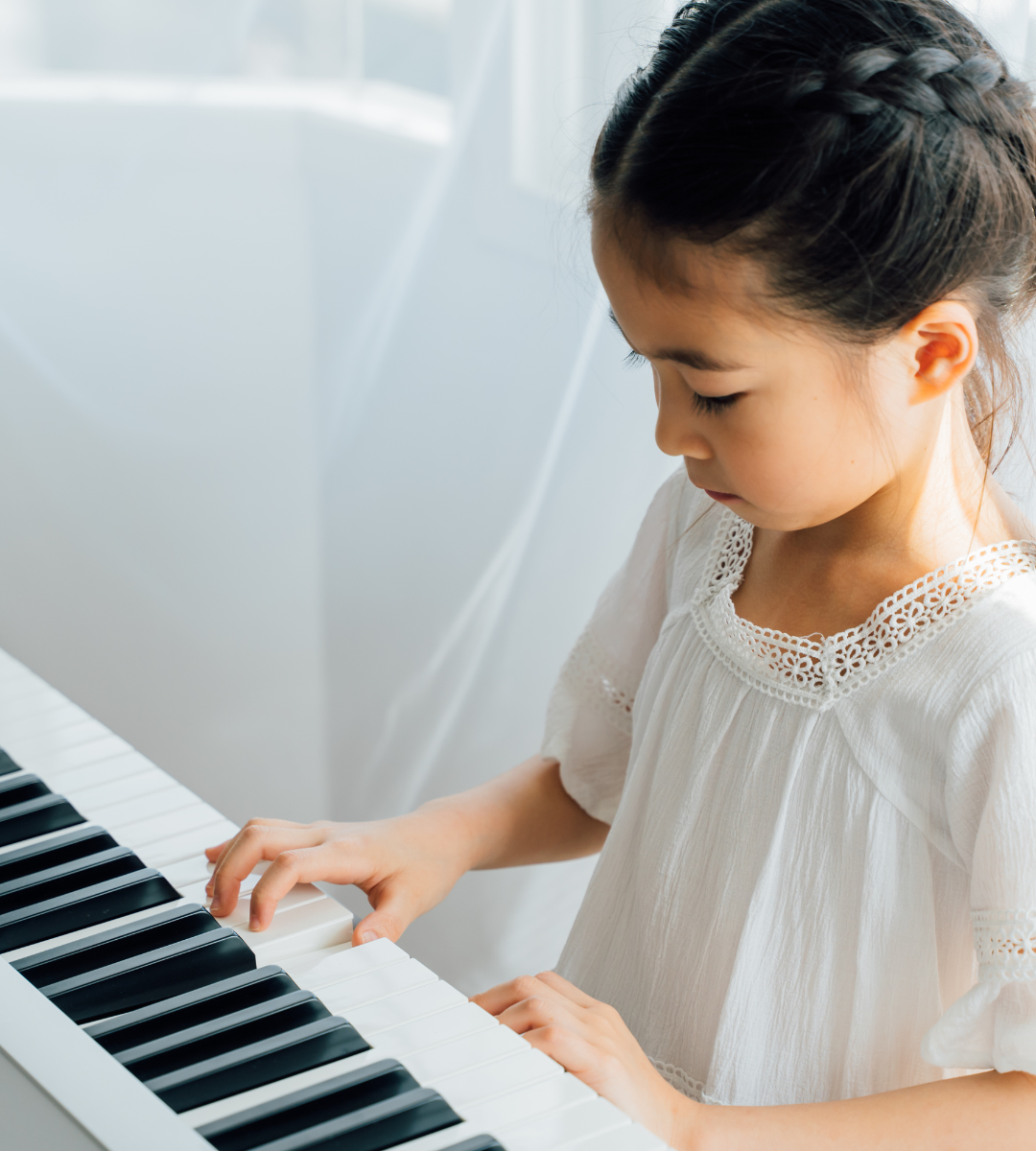
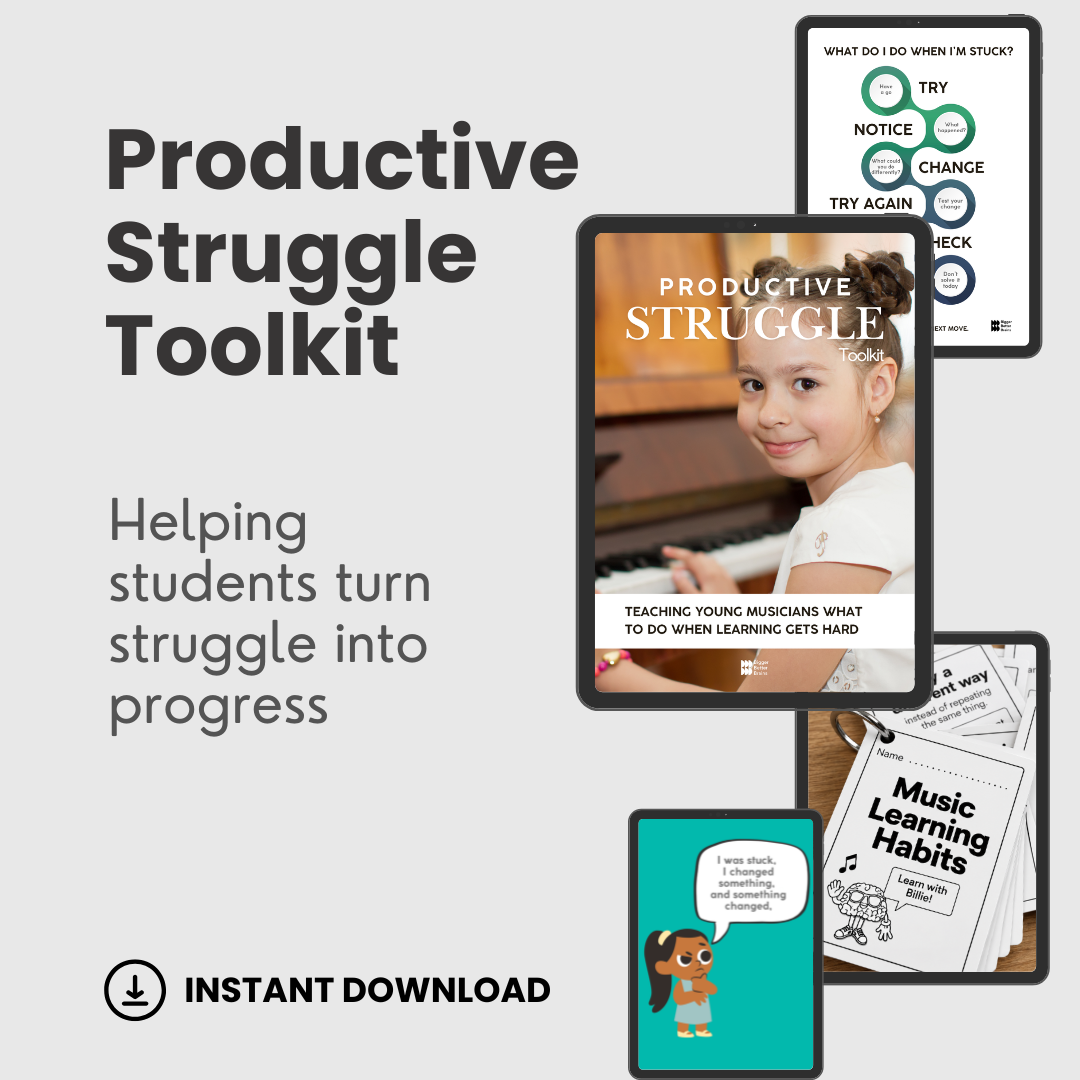
Why Productive Struggle Works
Mistakes in music learning can be more than errors, they can become information. Discover how productive struggle helps students notice, adapt and build learning that lasts.

Learning Music Helps Maths, Here’s Why
Music doesn’t just support maths, it shapes how students approach learning. By building positive attitudes, focus, and working memory, early music learning helps create the conditions for success.

Can Harmony Help Students Connect?
Can harmony do more than shape sound, can it shape connection? New research suggests predictable harmony may help align not just music, but people.

Is recorded music just as good as live music?
Research suggests it’s not that simple. Live music creates stronger emotional and brain responses, especially when there’s real-time interaction between performer and listener. If that’s the case, it raises an important question, how often are students actively involved in shaping music in the moment in your classroom?
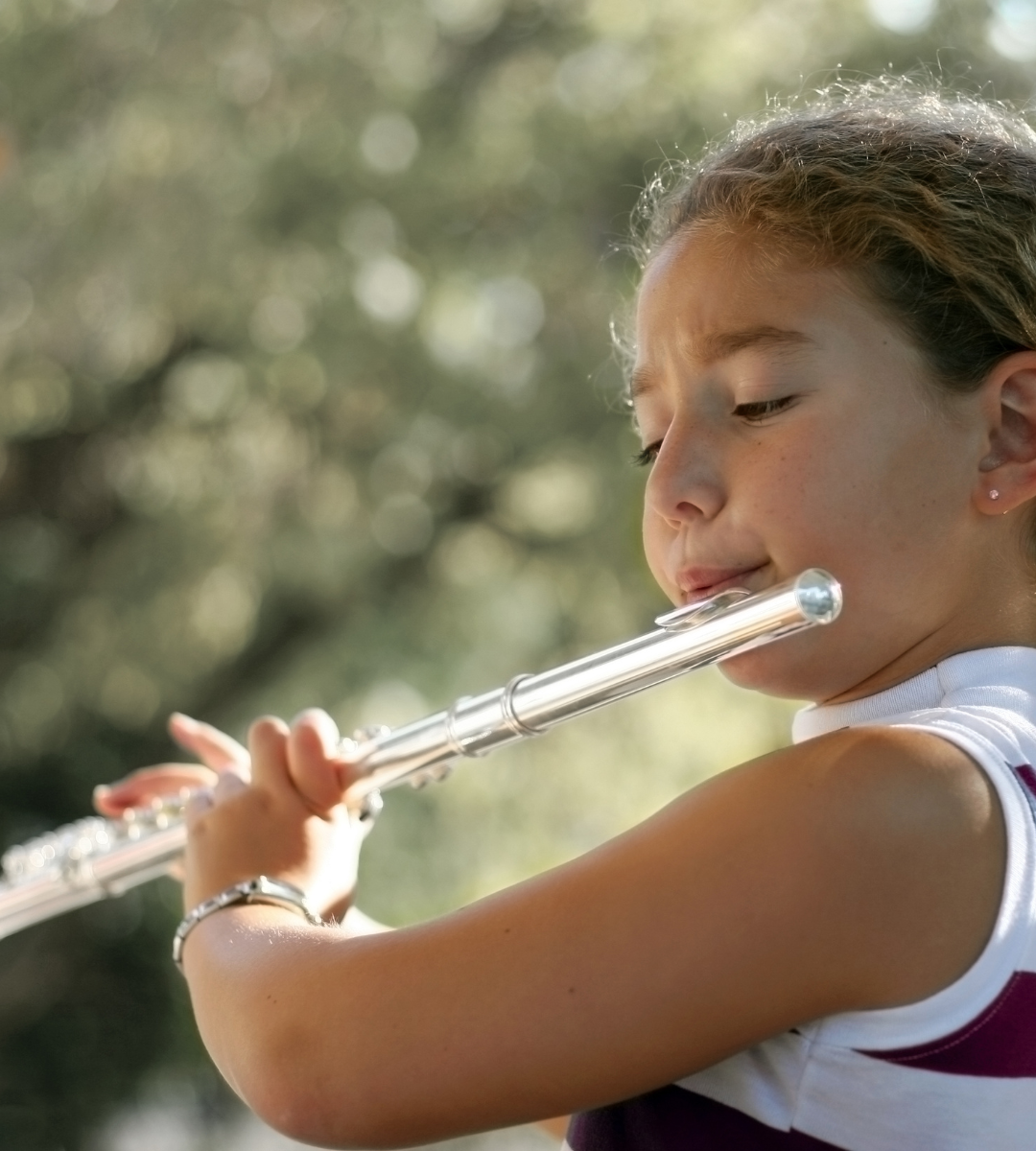
Can playing the flute help you sleep better?
Playing a wind instrument doesn’t just build tone and technique, it may also help regulate stress and improve sleep. New research links steady breath-sound patterns in wind playing to nervous system regulation, offering a powerful way to connect music learning with wellbeing.

Advocating for Music at the School Board? Don’t Forget This Key Message
This article empowers parents to advocate for music learning in schools by highlighting both its joyful impact and its proven cognitive benefits. It offers key research-backed talking points to help make the case for music as essential to every child’s education and every school’s success.

Can Music Training Make You a Better Skier?
A ski instructor once said, “Musicians always learn to ski easily.” That idea intrigued me. Research shows music training sharpens spatial awareness, rhythm, problem-solving, and sensory integration, the very skills that might make skiing (and maybe other sports) come more naturally.

How Can We Make Music Advocacy a Daily Habit, Not Just an Event?
What if music advocacy wasn’t an event, but a habit?
In the bustle of rehearsals, lessons, and emails, advocacy often gets pushed to the margins. But what if we made it part of our everyday teaching language? This post shares four simple ways to weave music advocacy into daily practice, from quick phrases and bold visuals to shared reflections with colleagues. Small actions, repeated often, can shift how music learning is seen and valued.

Friends Who Play Together, Stay Together
Making music together does more than build skills—it builds friendships.
Research shows ensemble experiences activate empathy and connection, helping students feel they belong. From choirs to community bands, music is where friendships grow.

Support Student Curiosity Anytime, Anywhere.
Founder of Bigger Better Brains, Dr Anita Collins, receives hundreds of emails from students around the world asking questions about neuromusical research. So she decided to record a short video about the most asked questions she has received.

How Music Learning Supports Sound Processing in Neurodivergent Learners
What if music could help neurodivergent students focus, listen, and communicate more easily? Music learning strengthens how the brain processes sound, supports attention and memory, and helps students filter speech in noisy settings. For learners with ADHD, autism, or sensory challenges, it offers a structured, motivating way to build essential skills.

When Music Makes the Grades
A 2020 study from Brazil found that kids aged 8–12 who joined twice-weekly group music sessions outperformed their peers in reading, writing, and math. They also showed better attention and memory. Led by Projeto Guri, the program proves what many music educators feel: consistent, inclusive music-making fuels broader learning.


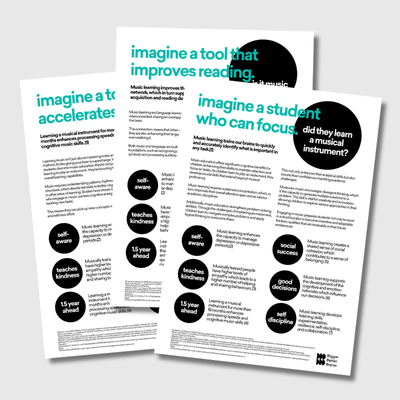
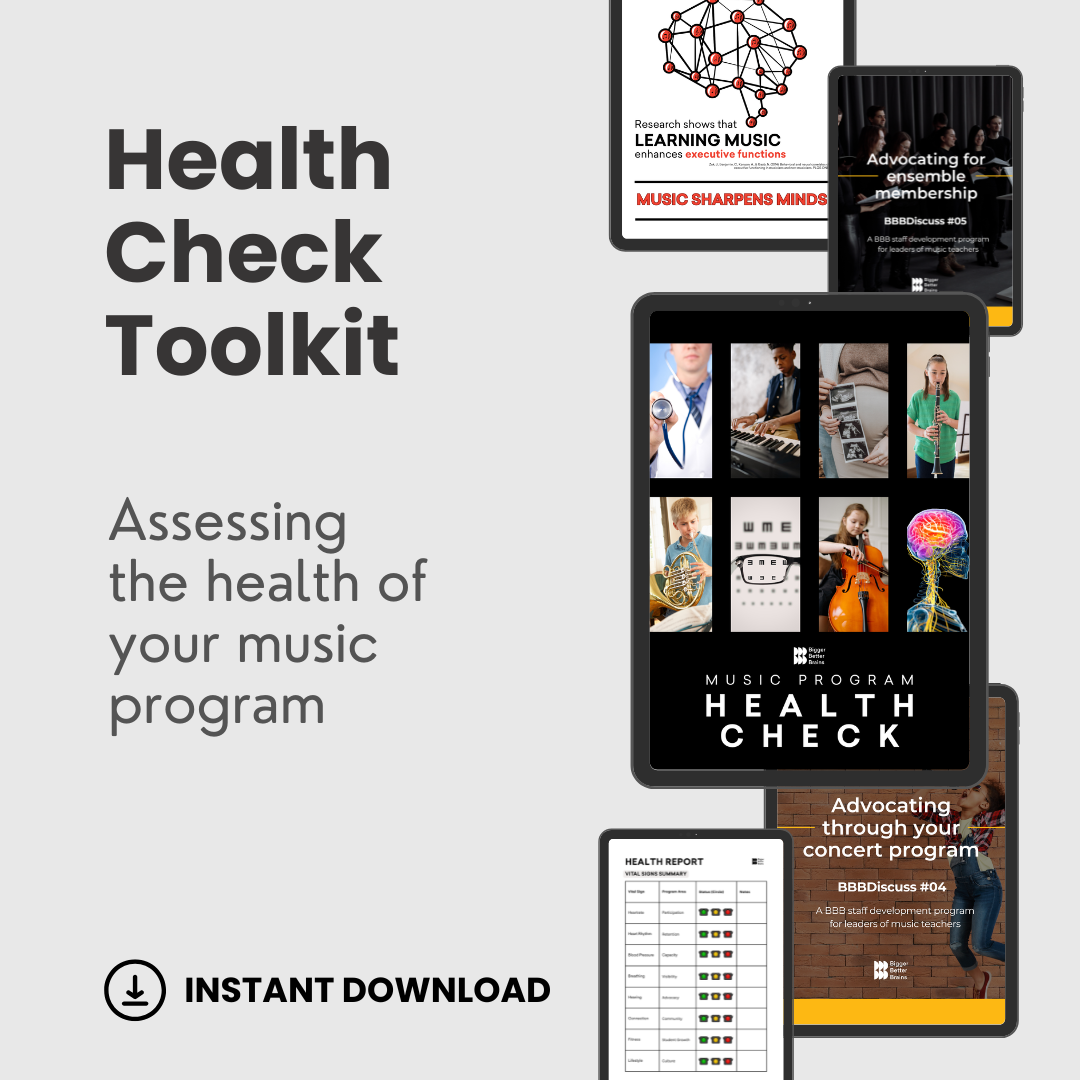
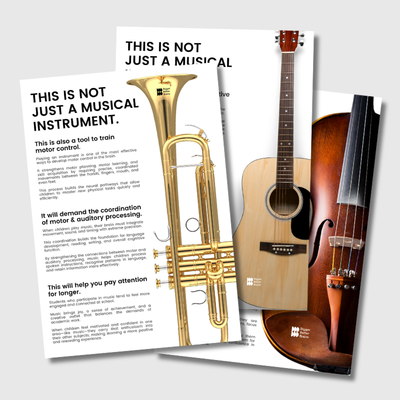
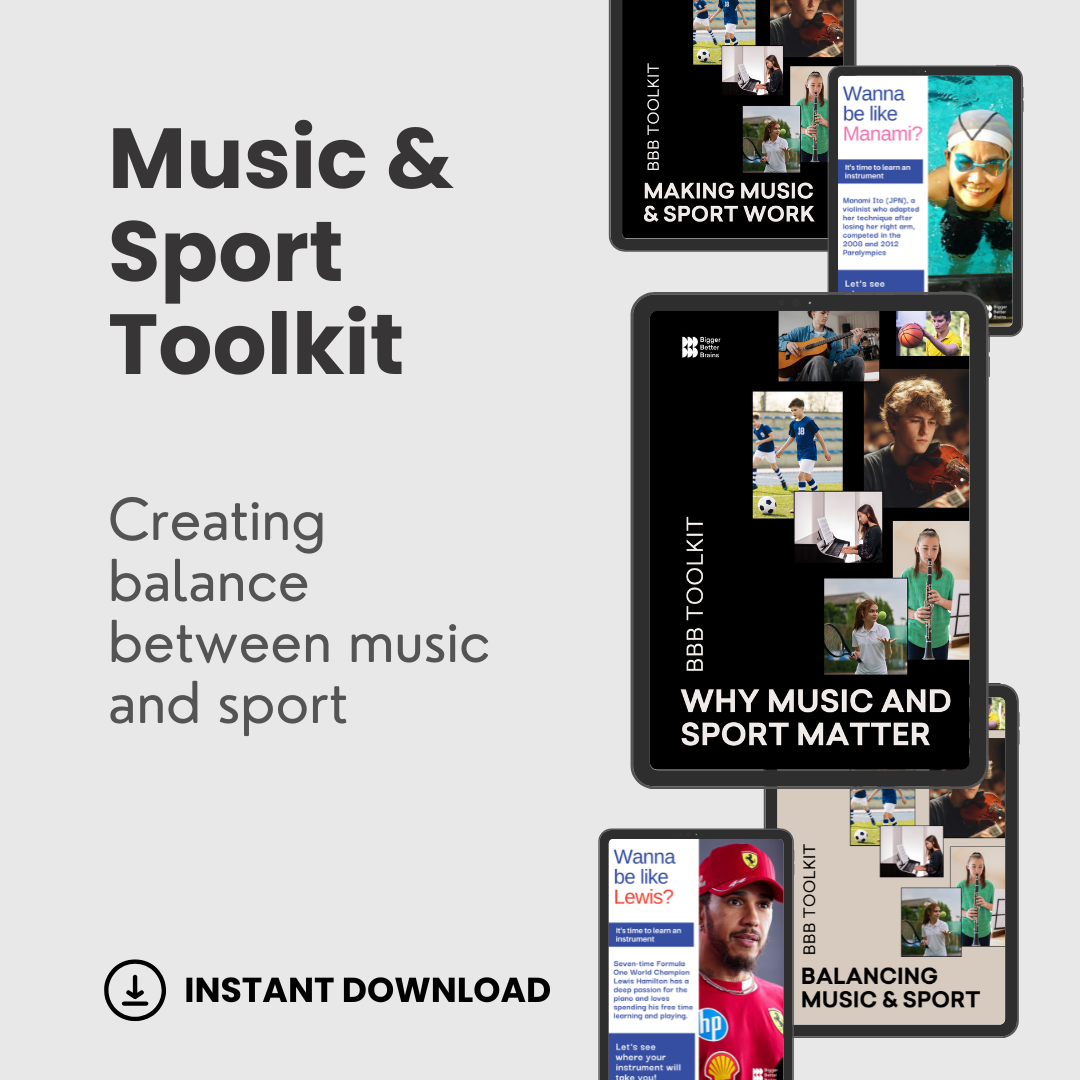

The evidence behind everything you teach, in one book
From Dr Anita Collins, music educator and creator of the TED-Ed video watched 17+ million times, translating the world's neuroscience research into the case for music education and the strategies to bring it into your teaching.
You already know music changes your students. The Music Advantage gives you the research that proves it. Because Anita explains the science through real-life stories, it reads like a good conversation rather than a textbook. Use it to advocate for your program, win over parents and leadership, and sharpen what you do in the classroom.
WHAT YOU GET
The complete book, 260 pages
Easy to read: the neuroscience explained through real classroom and family stories
Practical strategies you can apply across any age you teach, from birth to the teenage years
CHOOSE YOUR EDITION
Global edition: for readers outside the US
US edition: US terminology and examples
Signed copy: personally signed by Dr Anita Collins [while stocks last]
HOW TEACHERS USE IT
Advocacy: make the evidence-based case to school leadership for funding and keeping your program
Parent conversations: answer "is it really worth it?" with authority at enrolment and parent nights
In the classroom: practical strategies, from clapping to help a struggling reader, to ensemble play for concentration and social skills
Professional development: deepen your grasp of the "why" behind your teaching, or read it as a department
WHY IT WORKS
Written by Dr Anita Collins and grounded in research from leading neuromusical scientists worldwide, so when you make the case for music you are standing on the science, not opinion. And the real-life stories mean you will actually enjoy reading it.
"This book is my bible. I have so many highlights and pages flagged that I can use with parents and for quotes in emails." Kirsten, Music Teacher.
COMMON QUESTIONS
Which edition should I choose? Global for outside the US, US edition for US spelling and examples.
Is it a hard read? Not at all. Anita uses real-life stories to make the science clear and enjoyable.
What ages does it cover? Birth to the 18 years, useful whatever level you teach.
Add to cart NOW. Put the evidence for music behind your program today.
KEEP THE ADVOCACY GOING
BBB+ gives music teachers everything they need to make the case for music all year round:
A new advocacy toolkit every month
A library of 500+ tools and resources
Exclusive student exercises and advocacy materials
Member discounts
See what members get HERE