

Research Updates

Here at Bigger Better Brains we believe that through educating yourself, you can then educate and affect positive change in your community.
With all of the research in the field of neuromusical science, our BBB Research section serves as a content hub for you. We regularly share findings and break down the latest research to educate and inspire discussion. We hope you enjoy this page on our website and share BBB news with your colleagues, parents and students.

The Brain Behind the Beat: What Musical Anhedonia Teaches Us
Some students don’t light up when the music soars—and it’s not about effort or attitude. Neuroscience is uncovering how individual brain wiring can shape emotional responses to music, including a rare condition called specific musical anhedonia. As educators, this challenges us to broaden our lens: what if joy in music doesn’t look the same for everyone?

Don’t Let the Break Break the Habit: Holiday Music Learning Strategies
Holidays don’t have to mean a full stop to music learning. This blog explores how short, simple strategies—like mental practice, travel-friendly plans, and encouraging messages—can help students stay connected over the break. Plus, find tools and inspiration to support motivation and communication all season long.

Is your music class rhythm-focused, or rhythm-flexible?
Even toddlers can groove to the beat—this study reveals that young children naturally adapt their movements to changing rhythms, especially when music is playful and fun.

Music Isn’t a Break from Learning—It’s the Launchpad
Music isn’t just an artform—it’s a brain booster. This post explores how music primes the brain for learning by enhancing focus, memory, and emotional connection. For music teachers, it’s a reminder that every lesson is more than musical—it’s neurological.

What if the key to music practice isn’t discipline, but autonomy?
Practice works best when it feels like play.
This article explores what really motivates kids to practise music—highlighting the power of choice, enjoyment, and small wins over pressure or routine. A must-read for music educators rethinking how we support practice.

The Biggest Mistakes We Make With Parents
What if perfect pitch isn’t a rare gift you’re born with, but a skill your brain can grow—shaped not by fate, but by how you listen, learn, and tune in over time?

Do we teach melody as deeply as we teach meaning?
Melody isn’t just about pitch—it’s how we communicate emotion, intention, and meaning in music and speech alike.
Is “perfect pitch” really just about practise?
What if perfect pitch isn’t a rare gift you’re born with, but a skill your brain can grow—shaped not by fate, but by how you listen, learn, and tune in over time?

The Future of Work: Why Music Learning Prepares Students for Tomorrow’s Jobs
The World Economic Forum's Future of Jobs Report 2025 highlights the critical skills that will define the workforce of tomorrow.

Aging Ears: How Hearing Loss Impacts Music Perception
A recent study in Ear and Hearing investigated how aging and hearing loss influence music perception, focusing on melody and timbre discrimination.

How Music Unites Us: The Heartbeat Connection
A recent study from Waseda University has uncovered that when individuals listen to music, their heart rates synchronize, reflecting a unified physiological response.

Top 7 questions asked by students
Founder of Bigger Better Brains, Dr Anita Collins, receives hundreds of emails from students around the world asking questions about neuromusical research. So she decided to record a short video about the most asked questions she has received.


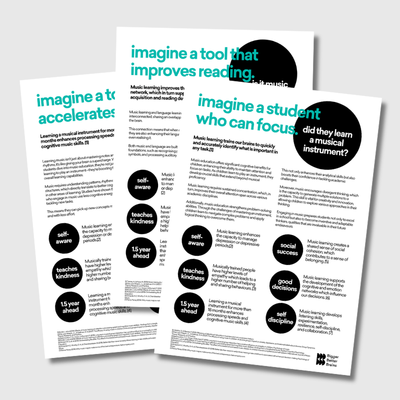
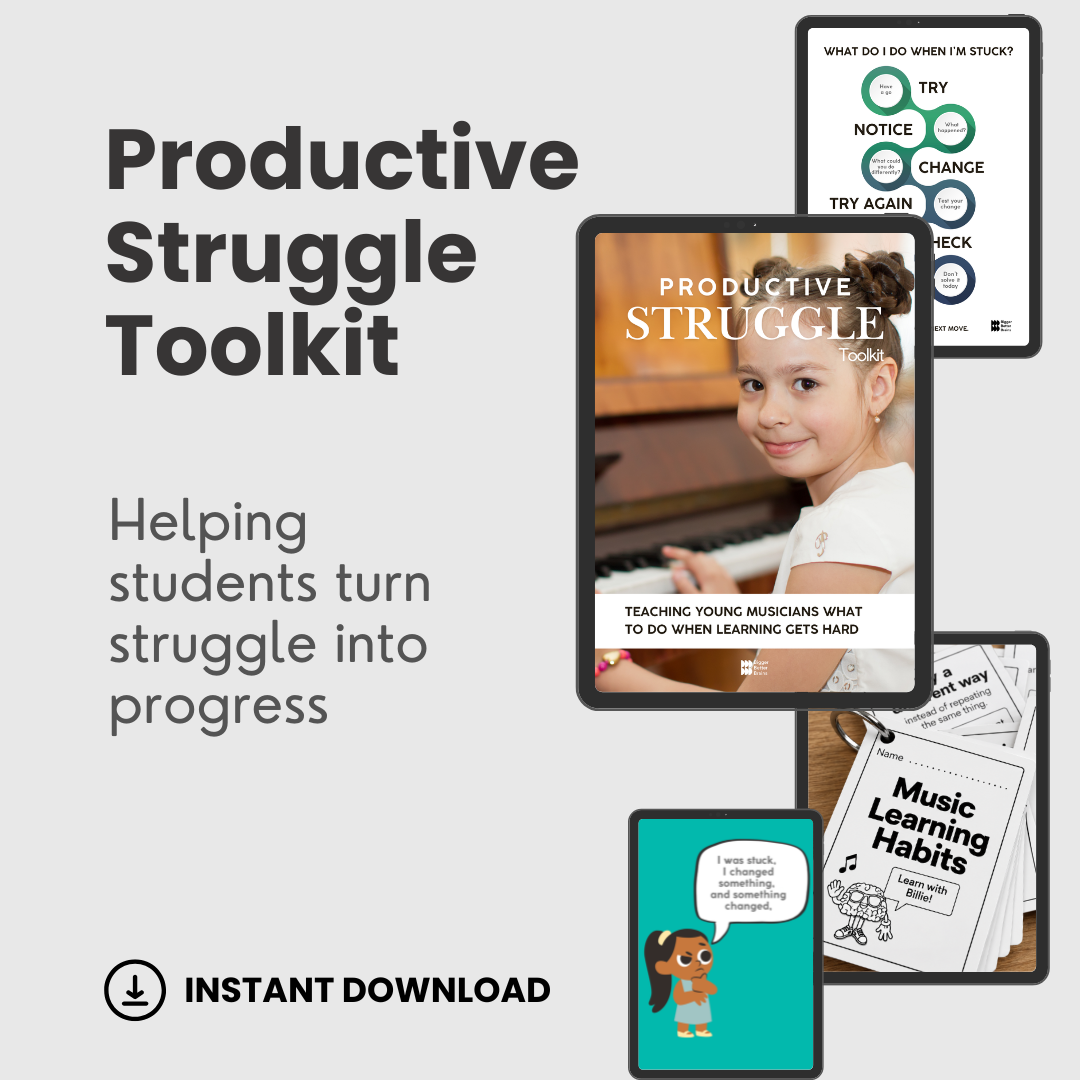
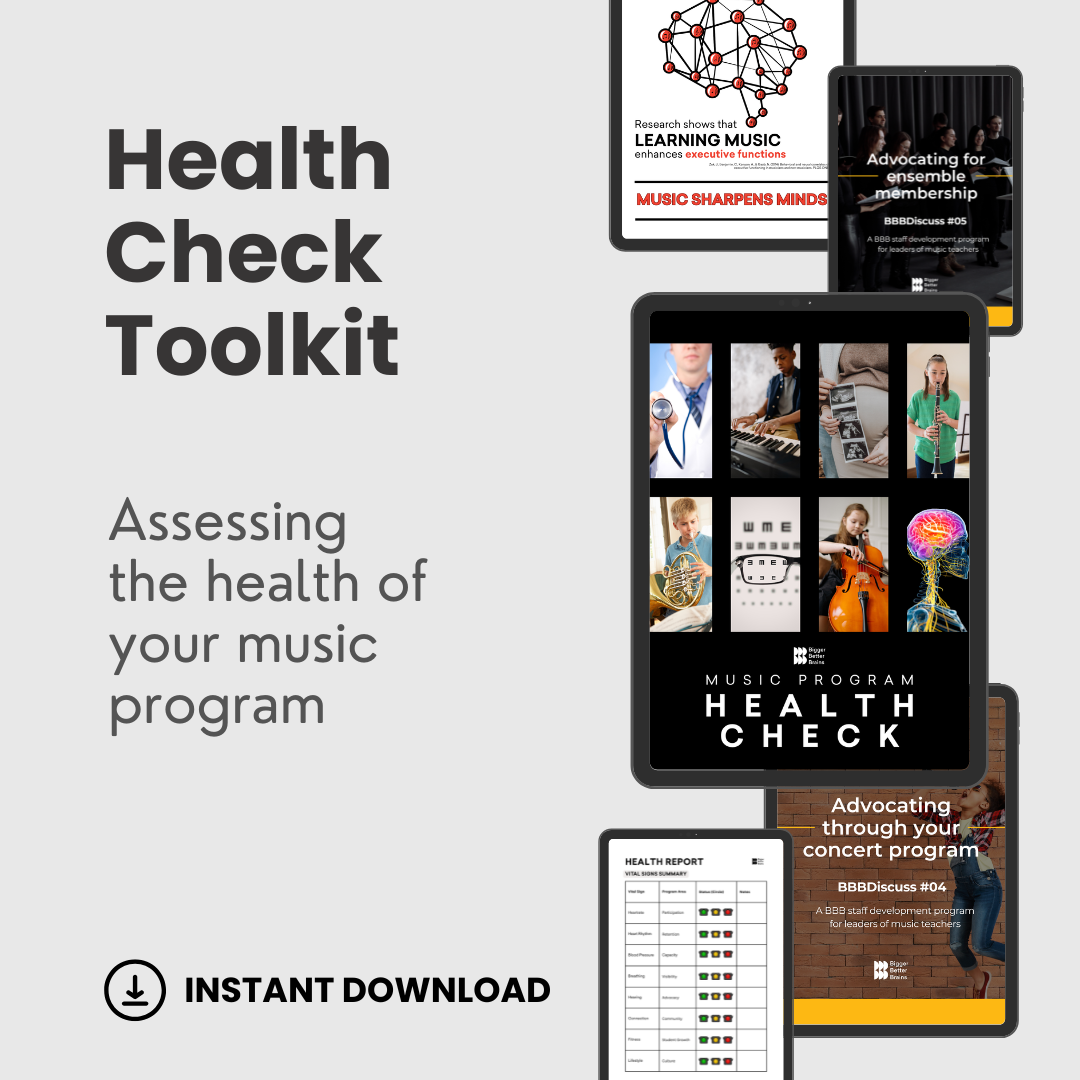
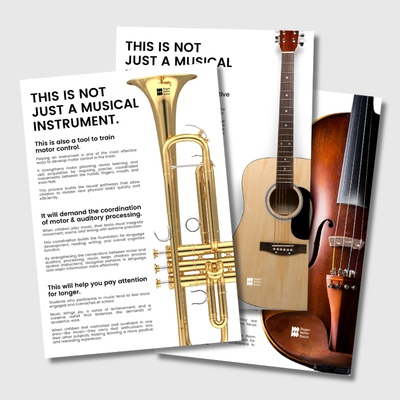

The evidence behind everything you teach, in one book
From Dr Anita Collins, music educator and creator of the TED-Ed video watched 17+ million times, translating the world's neuroscience research into the case for music education and the strategies to bring it into your teaching.
You already know music changes your students. The Music Advantage gives you the research that proves it. Because Anita explains the science through real-life stories, it reads like a good conversation rather than a textbook. Use it to advocate for your program, win over parents and leadership, and sharpen what you do in the classroom.
WHAT YOU GET
The complete book, 260 pages
Easy to read: the neuroscience explained through real classroom and family stories
Practical strategies you can apply across any age you teach, from birth to the teenage years
CHOOSE YOUR EDITION
Global edition: for readers outside the US
US edition: US terminology and examples
Signed copy: personally signed by Dr Anita Collins [while stocks last]
HOW TEACHERS USE IT
Advocacy: make the evidence-based case to school leadership for funding and keeping your program
Parent conversations: answer "is it really worth it?" with authority at enrolment and parent nights
In the classroom: practical strategies, from clapping to help a struggling reader, to ensemble play for concentration and social skills
Professional development: deepen your grasp of the "why" behind your teaching, or read it as a department
WHY IT WORKS
Written by Dr Anita Collins and grounded in research from leading neuromusical scientists worldwide, so when you make the case for music you are standing on the science, not opinion. And the real-life stories mean you will actually enjoy reading it.
"This book is my bible. I have so many highlights and pages flagged that I can use with parents and for quotes in emails." Kirsten, Music Teacher.
COMMON QUESTIONS
Which edition should I choose? Global for outside the US, US edition for US spelling and examples.
Is it a hard read? Not at all. Anita uses real-life stories to make the science clear and enjoyable.
What ages does it cover? Birth to the 18 years, useful whatever level you teach.
Add to cart NOW. Put the evidence for music behind your program today.
KEEP THE ADVOCACY GOING
BBB+ gives music teachers everything they need to make the case for music all year round:
A new advocacy toolkit every month
A library of 500+ tools and resources
Exclusive student exercises and advocacy materials
Member discounts
See what members get HERE