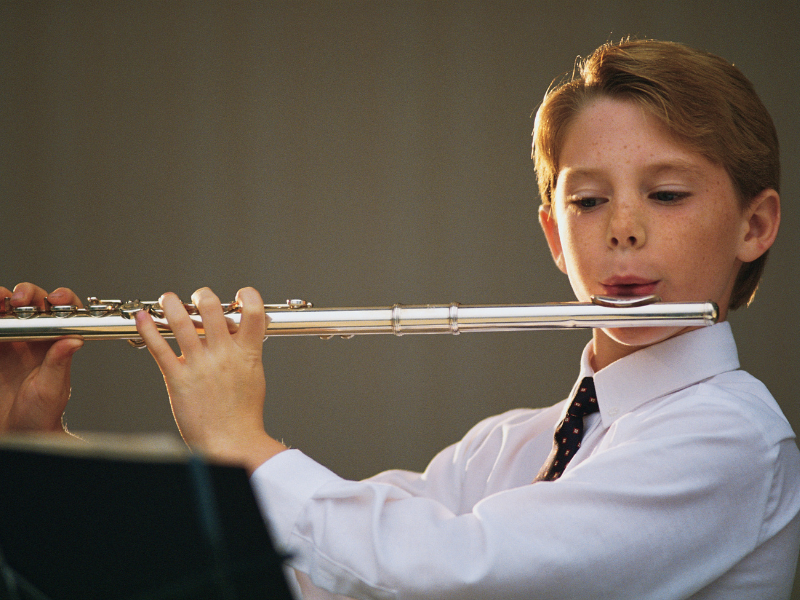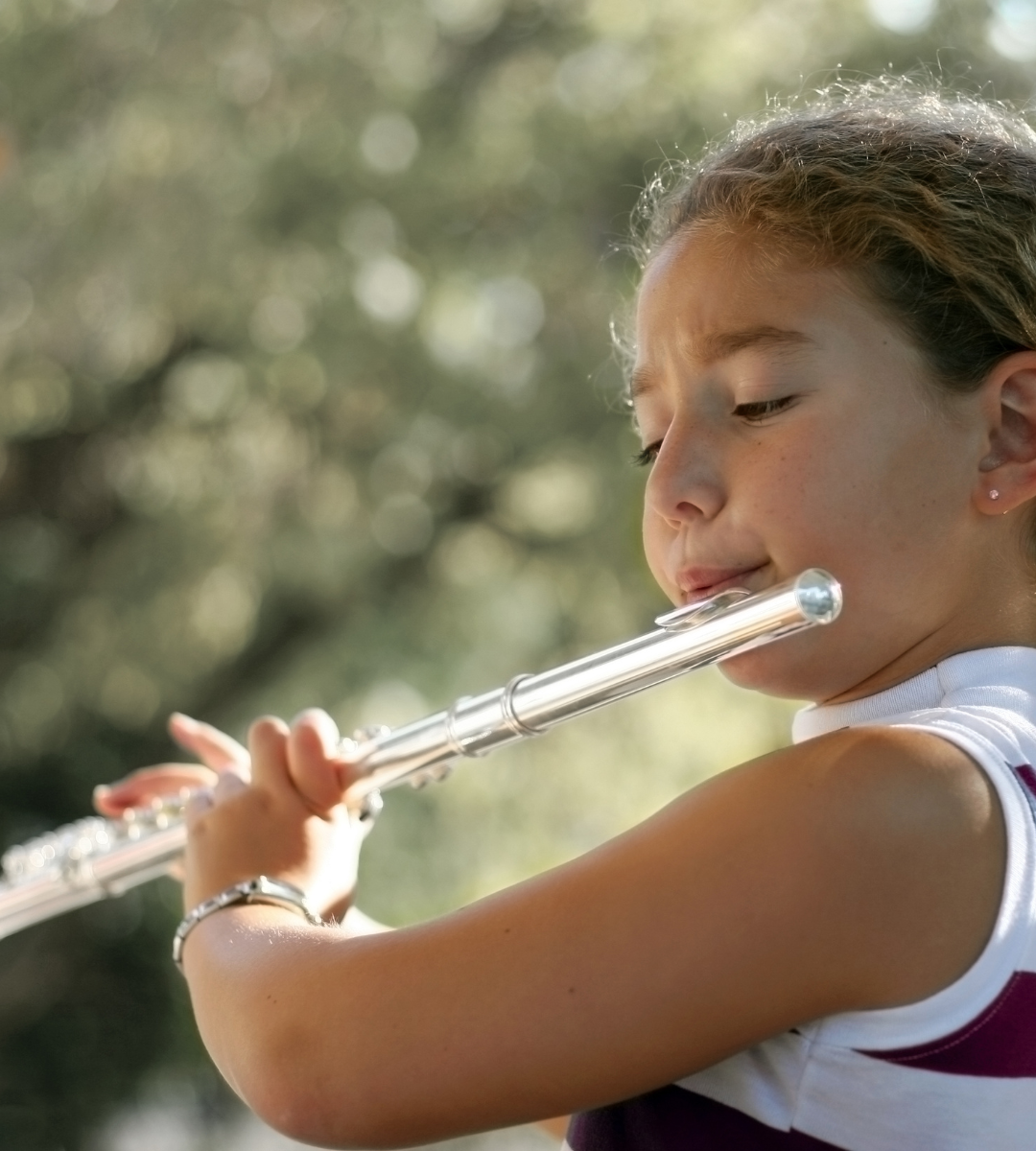
What makes a musical prodigy?
Is it nature or nurture? Is it biological, magic or a quirk?
One of the musical prodigies involved in the BRAMS study in Canada into the cognitive predispositions for musical genius explained the mixture that she believes contributed to her extraordinary musical ability. “Our success is like the three legs of a grand piano,” says Sarah. “The first leg is our teachers who always push us, the second is our parents who give us unconditional love and unconditional support, and the third is ourselves.”
But Prof Peretz believes otherwise and explained that “When it comes to understanding musical prodigies, Peretz says there is too much emphasis on nurture, not nearly enough on nature.” She believes cognitive science “is the only way” to understand what is really allowing young musicians to play at a level that appears almost impossible.
The big question is, by studying musical prodigies, do we run the risk of killing the mystery of music? If you had what you perceived to be a god-given or magical gift, would you want to know where it originated from in your brain?
This article empowers parents to advocate for music learning in schools by highlighting both its joyful impact and its proven cognitive benefits. It offers key research-backed talking points to help make the case for music as essential to every child’s education and every school’s success.
A ski instructor once said, “Musicians always learn to ski easily.” That idea intrigued me. Research shows music training sharpens spatial awareness, rhythm, problem-solving, and sensory integration, the very skills that might make skiing (and maybe other sports) come more naturally.
Singing in schools supports language learning, strengthens social bonds, and helps newcomers adapt, and with our science-based music education resources, music teaching materials, and neuromusical learning tools, teachers can unlock the cognitive benefits of music learning.
This blog shines a spotlight on the inspiring stories featured in our latest Fireworks magazine, celebrating the powerful impact of music teachers around the world.
As a music teacher, how often have we heard the phrase, “I have to skip rehearsal, I have a test”? In my school, as in many schools, we have our only rehearsal time in the morning prior to school starting, and I hear this comment regularly through the school year.
This blog explores the quiet power of Stealth Advocacy, subtle, repeated messages that shape how others see music education. From hallway posters to one-liners in newsletters, these small signals work in the background, shifting mindsets over time. If you’re too busy to launch a campaign, this is the kind of advocacy that speaks for you, even when you’re not in the room.
This blog invites music educators to slow down just enough to notice and name the everyday moments that show the power of music learning. From quick chats with parents to check-ins with students or school leaders, these small interactions are golden opportunities to advocate for music education.
In our drive to advocate for music education, it’s easy to focus on public performances, programs, or policies. But real advocacy often begins in quiet moments with students, their stories, and their shifting motivations. This blog explores how listening, noticing, and building trust can turn everyday teaching into powerful, student-centered advocacy.
What if music advocacy wasn’t an event, but a habit?
In the bustle of rehearsals, lessons, and emails, advocacy often gets pushed to the margins. But what if we made it part of our everyday teaching language? This post shares four simple ways to weave music advocacy into daily practice, from quick phrases and bold visuals to shared reflections with colleagues. Small actions, repeated often, can shift how music learning is seen and valued.
Making music together does more than build skills—it builds friendships.
Research shows ensemble experiences activate empathy and connection, helping students feel they belong. From choirs to community bands, music is where friendships grow.
Founder of Bigger Better Brains, Dr Anita Collins, receives hundreds of emails from students around the world asking questions about neuromusical research. So she decided to record a short video about the most asked questions she has received.
We often assume background music helps students concentrate—but new research suggests it’s not one-size-fits-all, especially for learners with ADHD. This study explores how different sounds—classical, preferred music, binaural beats, and medication—affect focus. The takeaway? Familiar, enjoyable music may support attention better than trendy brain hacks. What could this mean for your classroom or studio?
What if music could help neurodivergent students focus, listen, and communicate more easily? Music learning strengthens how the brain processes sound, supports attention and memory, and helps students filter speech in noisy settings. For learners with ADHD, autism, or sensory challenges, it offers a structured, motivating way to build essential skills.
A 2020 study from Brazil found that kids aged 8–12 who joined twice-weekly group music sessions outperformed their peers in reading, writing, and math. They also showed better attention and memory. Led by Projeto Guri, the program proves what many music educators feel: consistent, inclusive music-making fuels broader learning.
Some students don’t light up when the music soars—and it’s not about effort or attitude. Neuroscience is uncovering how individual brain wiring can shape emotional responses to music, including a rare condition called specific musical anhedonia. As educators, this challenges us to broaden our lens: what if joy in music doesn’t look the same for everyone?