
Research Updates

Here at Bigger Better Brains we believe that through educating yourself, you can then educate and affect positive change in your community.
With all of the research in the field of neuromusical science, our BBB Research section serves as a content hub for you. We regularly share findings and break down the latest research to educate and inspire discussion. We hope you enjoy this page on our website and share BBB news with your colleagues, parents and students.

The Cognitive Symphony of the Brisbane City Pops Orchestra
This article dives into the history and enduring vitality of the Brisbane City Pops Orchestra who have recently celebrated their milestone 50th-anniversary performance. The orchestra boasts a diverse ensemble of musicians spanning generations, including members who have been involved since the beginning.

Playing a musical instrument or singing in a choir may boost your brain
A recent study published in the International Journal of Geriatric Psychiatry found that individuals with a history of musical experience, regardless of proficiency or instrument played, exhibited better memory and executive function.

New neuroscience research upends traditional theories of early language learning in babies
New research challenges traditional theories of infant language acquisition, suggesting that babies primarily learn language through rhythmic rather than phonetic information in their initial months.

Fireworks 006 - How do you tell the story of your work?
Packed with BBB updates and our year in review, a new opinion piece written by Dr Anita Collins, a new research reflection, and so much more. Fireworks will inspire and motivate you to advocate for music education.

Music is the Jackpot!
This video contains excerpts from an ARTSpeaks event held on November 8, 2021. In this video, neurobiologist Nina Kraus explores the impact that music learning has on young students in the areas of reading skills, sound processing, language abilities, and more.

The late-life cognitive benefits of early musical training
This study found that people who learned for more than 10 years didn’t have any differences compared with the control group, but they did find the late-life cognitive benefits of early musical training…

Heavy metal has some heavy mental health benefits
Researchers have tried to determine if certain genres of music are “better” than others for developing these vital life skills. This article highlights recent research into a genre you might not expect to have such positive impacts.

Brains work in sync during music therapy
Imagine a music therapist and their patient wearing EEG caps. Imagine them working together and coming to a moment when the therapy was “working”. Imagine seeing the EEG signal suddenly change for the patient, and then seeing the same change in the therapist just afterwards.

Music benefits both mental and physical health
We know that music listening and playing can change our mood. Sometimes it cheers us up, sometimes it makes it safe to feel sombre emotions, but did you ever wonder why? Now we know.

Singing is fundamental to our biological makeup
This is a brilliant article worth a full read, but here are some highlights for you from one of BBBs favourite researchers Professor Sarah Wilson from the University of Melbourne.

Can music help people with Parkinson’s?
Music therapy and music learning are having a profound impact on the life and rehabilitation of people suffering from Parkinson’s disease. It is important to understand the difference between music therapy and music learning because sometimes they either look very similar, or one leads seamlessly into the other.

$20 million is a serious investment in music as medicine
It has been widely publicised that the National Institute of Health (NIH) in the U.S. has just awarded the Sound Health Initiative $20 million over the next 5 years to look into the health and learning benefits of music and music learning.

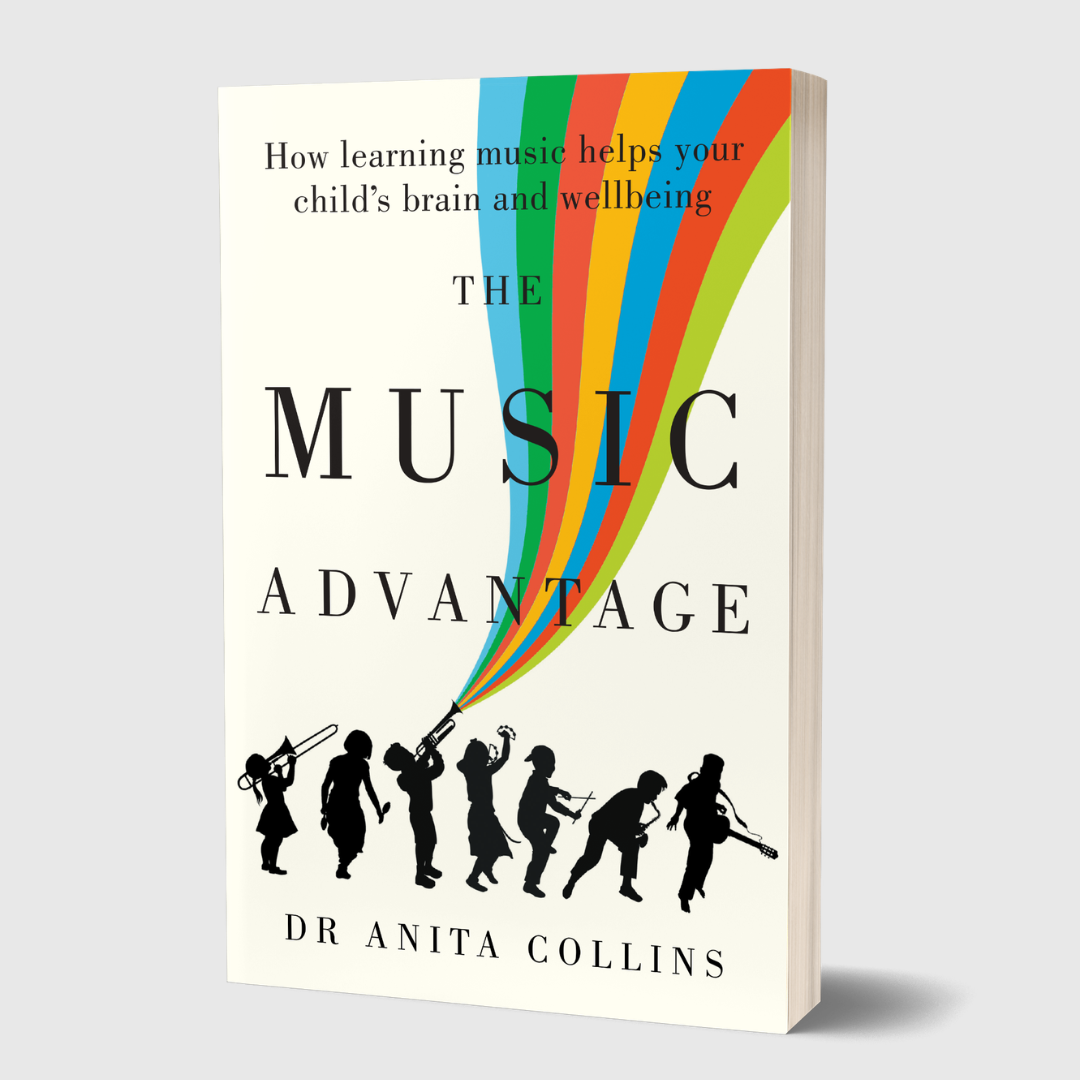

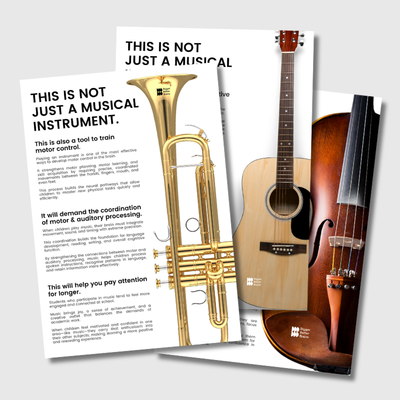
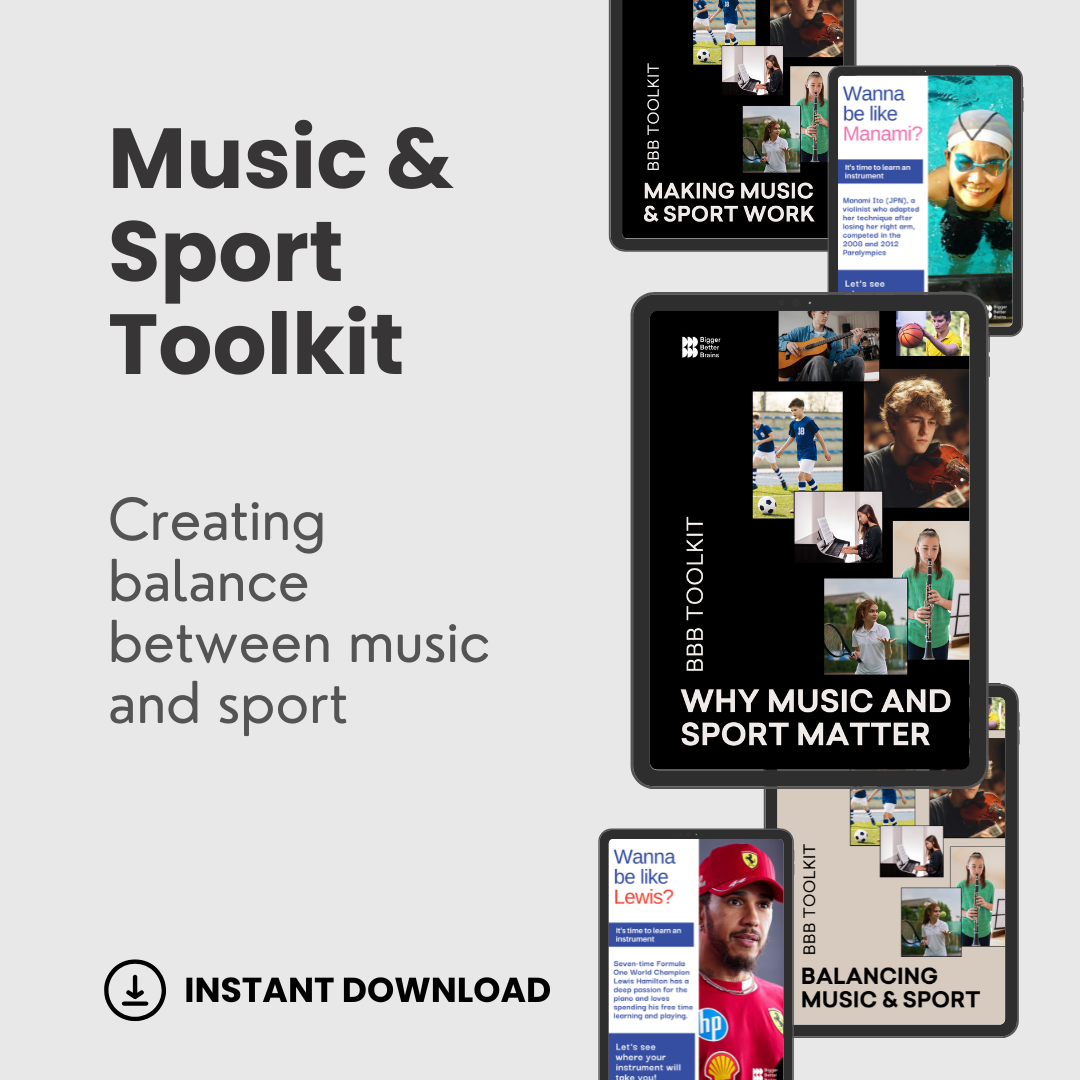

Make the skills your students build through music visible
A simple, low-stakes app and teacher toolkit that helps students notice, record and celebrate six learning habits that grow through music, from focus to self-management.
Music builds far more than musicians. Every time students practise, they develop focus, persistence, adaptability, collaboration, confidence and self-management, skills that serve them well beyond the music room. The Music Learning Passport helps students notice, record and celebrate that growth, and gives you a simple way to capture it. Students work through six passport stamps in the app, reflect on the habits they are building, and email their finished learner profile to you and their parents.
WHAT YOU GET
Access to the Music Learning Passport app: a link and password to share with your students, who track their progress on any device
A teacher how-to guide with everything you need to set it up and run it with your class
Six printable habit pages, one for each habit, each with a clear explanation, how music develops it, what it looks like in practice, and a reflection prompt
A shareable learner profile: once students collect all six stamps, they choose their strongest skills and email a finished profile to you and their parents
Six Habits of Music Learning posters to display in your classroom, reinforcing each learning habit throughout the year
WHAT IT HELPS YOU DO
Make the skills students build through music visible to them, to you and to parents
Support reflection, goal-setting and student-teacher check-ins
Provide a light-touch piece of evidence for assessment
Help students who are struggling to see their own progress
Strengthen the case for music by showing the wider skills it develops
HOW TO USE IT
Share the app link and password with your students, then use the passport as a quick end-of-term reflection, a goal-setting activity for a new term, a student-teacher check-in, or a support tool for students who need it. Students can complete it independently, in class or through guided discussion, and email their finished profile to you when they are done. Use the printable habit pages to introduce each stamp or spark class discussion.
WHY IT WORKS
When students can see the habits they are building, music learning becomes about more than performance. It becomes visible proof of the focus, persistence and self-management they are developing, skills they carry into every part of their lives. As one student profile puts it, music is not only about what you can perform, it is shaping the learner you are becoming.
"This app was a lifesaver on a day I couldn’t be in class and I didn’t want to set just another worksheet to complete. This experience was deeply beneficial for the students and has sparked many many conversations.” Holly, Middle School Music Teacher
COMMON QUESTIONS
What is the passport? A student app plus a teacher toolkit for tracking six learning habits that grow through music.
How do students access it? You share a link and password. Students can complete it on any device.
Will their progress save? Yes, progress saves on the device they use, so students should return to the same device and browser each time.
Do I need to mark anything? No. Students reflect and email their finished profile to you. It is designed to be low stakes and low effort.
How can I use it? End-of-term reflection, goal-setting, check-ins, assessment evidence or support for students who need it.
Add to cart NOW. Help your students see how far their music learning has taken them.
LOVE THIS TOOLKIT? GET A BRAND-NEW ONE EVERY MONTH
This toolkit is $50 on its own. BBB+ Premium Toolkit and Premium Annual members receive a brand-new toolkit straight to their inbox free every month, plus access to over 500 evidence-based resources.
Join as a Premium Toolkit member for $60 a year, just $5 a month, and get a new toolkit every month plus the full resource library. That is less than the cost of two standalone toolkits for a whole year of support.
Want everything BBB+ offers? Premium Annual is 50% off right now.
Become a BBB+ Premium Toolkit member today CLICK HERE
Get 50% off Premium Annual CLICK HERE